Amazon-Owned Zoox Targets Austin and Miami Expansion as U.S. Robotaxi Competition Intensifies in 2026
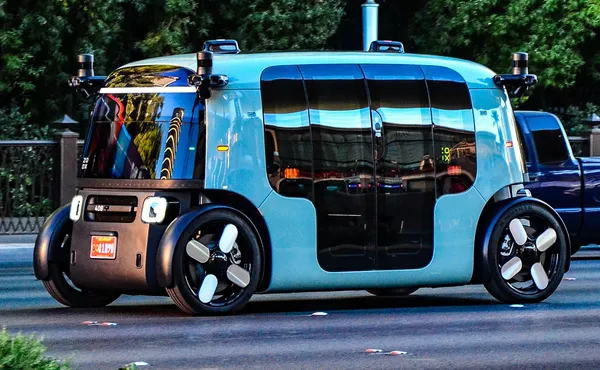
Zoox broadens its roadmap beyond Las Vegas and San Francisco
Zoox, Amazon’s autonomous-vehicle subsidiary, is preparing to expand robotaxi operations to Austin and Miami as it scales beyond its initial ride programs in Las Vegas and San Francisco. The planned expansion comes as multiple companies race to establish driverless ride-hailing services across major U.S. metropolitan areas, with regulatory approvals and fleet readiness emerging as key bottlenecks.
Zoox has been developing a purpose-built robotaxi designed to operate without a steering wheel or conventional driver controls. In parallel with that custom vehicle program, the company has also run testing in several cities using retrofitted vehicles with onboard safety operators—an approach commonly used to gather driving data and validate systems before wider deployment.
What the Austin and Miami plans signal
Austin and Miami are strategically significant markets for robotaxi operators: both are fast-growing, car-dependent metros with dense entertainment and tourism corridors, and each has become a focal point for autonomous-vehicle trials and partnerships. A move from testing and limited pilots to broader ride availability typically requires additional steps, including expanded mapping, operations staffing, remote assistance capabilities, and local and state-level compliance for passenger service.
Austin: Texas has continued to refine oversight of automated vehicles, including a state-run authorization framework that affects how driverless systems are certified and monitored for commercial use.
Miami: Florida has enabled a wide range of autonomous-vehicle activity statewide, while operational details—such as where vehicles can stage and how rides are dispatched—still depend on how an operator structures service and coordinates with relevant agencies.
How the competitive landscape is changing
The planned Zoox expansion arrives amid rapid growth by incumbent and emerging robotaxi providers. Waymo, Alphabet’s autonomous-driving unit, has been expanding to additional cities and has reported substantial weekly trip volumes across multiple markets, including Miami and Austin. Meanwhile, ride-hailing platforms are increasingly positioning themselves as distribution channels for autonomous fleets through partnerships that could influence consumer adoption and utilization rates.
Robotaxi deployment has increasingly shifted from single-city pilots to multi-market strategies, with service expansion tied to regulatory clearance, safety validation, and fleet scaling.
What comes next
For Zoox, expanding robotaxi rides into Austin and Miami will likely hinge on the pace of approvals, the company’s ability to scale fleet operations, and the maturity of its purpose-built vehicle rollout. The next milestones to watch include any announced timelines for limited rider programs, defined service areas, and the operational model Zoox uses for dispatch—whether through its own booking experience, a partner platform, or a phased combination of both.