Federal judge halts planned end of Haitian TPS, keeping work permits and protections in place past Tuesday
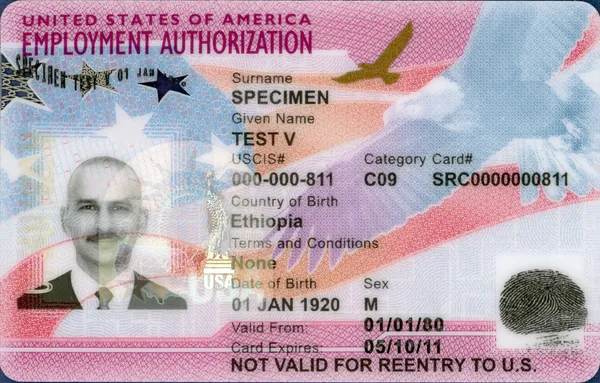
Order prevents immediate loss of status for hundreds of thousands of Haitian nationals
A federal judge has blocked a planned termination of Temporary Protected Status (TPS) for Haitian nationals, preventing deportation protections and related work authorization from ending on Tuesday, Feb. 3, 2026. The ruling maintains legal protections for roughly 350,000 Haitians currently enrolled in the program while litigation continues over whether the federal government followed required procedures to end the designation.
TPS is a humanitarian immigration tool that allows eligible nationals of designated countries to remain in the United States temporarily when conditions in their home countries meet statutory criteria, such as armed conflict, environmental disaster, or other extraordinary and temporary conditions. Haiti’s TPS designation dates to the aftermath of the 2010 earthquake and has been renewed and updated multiple times across administrations.
What the administration sought to change
The Department of Homeland Security (DHS) moved in 2025 to unwind the then-current Haiti TPS timeframe, including an earlier action to shorten the period of protection and a later notice setting an effective termination date in 2025. Separately, DHS publicly argued that TPS was not intended to function as a long-term immigration pathway and said it had concluded that conditions had improved sufficiently to allow returns.
Those steps triggered multiple legal challenges. In one case filed in federal court in New York, a judge ruled in July 2025 that any termination could not take effect before Feb. 3, 2026, aligning with the end date of a prior extension and concluding that the agency lacked authority to cut the designation short through the mechanism it used.
The Feb. 2026 injunction and the judge’s findings
The latest order—issued in federal court in Washington, D.C.—stops DHS from allowing Haiti TPS protections to lapse on Feb. 3, 2026. The judge found the challengers were likely to succeed on key legal claims and concluded the decision-making process did not comply with federal administrative requirements, including consultation obligations tied to assessing country conditions.
The court also scrutinized public statements by senior officials and found there was substantial evidence suggesting improper considerations influenced the decision. The injunction bars the government from invalidating TPS-based documentation for active enrollees while the case proceeds.
Practical impact and what comes next
For TPS holders, the ruling preserves two immediate legal effects:
- continued protection from removal based on TPS, and
- continued eligibility for work authorization tied to TPS.
The order does not decide the case’s ultimate merits and does not prevent DHS from attempting to end Haiti’s TPS designation through procedures that comply with the statute and administrative law requirements. The administration has indicated it will continue to defend its authority and may seek appellate review.
The litigation now centers on whether the government’s termination process complied with statutory timelines, interagency consultation requirements, and federal standards governing agency decision-making.
The court’s intervention provides temporary stability for Haitian TPS households and employers that rely on authorized workers, while leaving the long-term future of the designation to further judicial proceedings and potential appeals.