Federal prosecutors move to revoke former North Miami mayor’s citizenship, expanding long-running legal fight
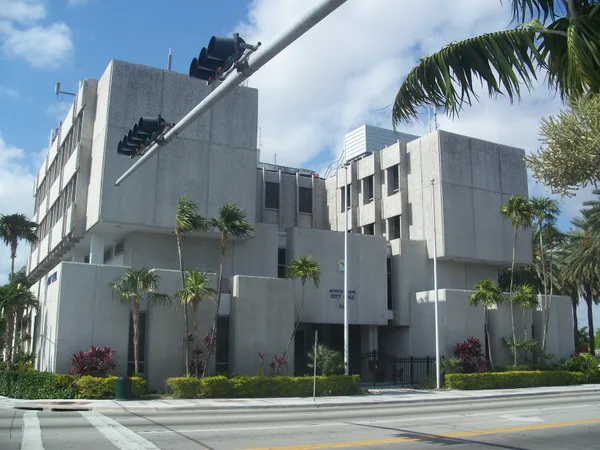
Case targets naturalization status after prior federal fraud conviction
Federal prosecutors are seeking to revoke the U.S. citizenship of a former mayor of North Miami, escalating a legal dispute that follows years of criminal and post-conviction litigation tied to a mortgage-fraud case in South Florida.
The former mayor, Lucie Tondreau, served as North Miami’s mayor from 2013 to 2014. In 2015, she was sentenced in federal court to 65 months in prison after a jury found her guilty of conspiracy to commit wire fraud and multiple wire-fraud counts connected to a multi-million-dollar mortgage scheme. Federal authorities said the conspiracy involved fraudulent loans obtained between late 2005 and mid-2008 and resulted in lender losses estimated in the millions of dollars.
What the government must prove in a denaturalization case
The action to strip citizenship is a civil proceeding commonly referred to as denaturalization. Under federal law, denaturalization generally turns on whether U.S. citizenship was “illegally procured” or obtained through concealment of a material fact or willful misrepresentation during the naturalization process.
Courts have held that the government cannot revoke citizenship over a false statement that was immaterial to the naturalization outcome; the misrepresentation must have mattered to eligibility or the decision to grant citizenship. Separately, Supreme Court rulings have recognized strong constitutional protections against involuntary loss of citizenship, while also allowing denaturalization in cases where citizenship was obtained unlawfully.
Denaturalization cases are civil matters that can carry immigration consequences if citizenship is revoked, including potential exposure to removal proceedings depending on the person’s prior immigration status.
How this fits into broader federal enforcement
In recent years, federal authorities have emphasized denaturalization as an enforcement tool in cases involving alleged fraud in the immigration process. The Justice Department has publicly described civil denaturalization as a mechanism to protect the integrity of the naturalization system, including in matters involving alleged false testimony or fraudulent acquisition of permanent residence that later served as the basis for citizenship.
Separately, immigration enforcement agencies in South Florida have pursued investigations involving individuals accused of concealing serious criminal conduct during naturalization, sometimes pairing criminal charges with consequences that include automatic citizenship revocation upon conviction.
What happens next
The citizenship case will proceed in federal court, where prosecutors must establish the legal grounds for revocation. The former mayor will have the opportunity to contest the allegations and present a defense. No final determination is made until the court rules.
Tondreau served as North Miami mayor (2013–2014).
She was convicted at trial and sentenced in 2015 in a federal mortgage-fraud case.
The current proceeding seeks to revoke citizenship through a civil denaturalization action, which requires proof tied to eligibility and material facts in the naturalization process.
As the case moves forward, the court record will determine what facts prosecutors allege were omitted or misstated during naturalization and whether those facts meet the legal threshold required to cancel citizenship.