Federal trial begins in Miami for former U.S. Rep. David Rivera over Venezuela lobbying allegations
Proceedings open with national-security charges tied to alleged covert work for Venezuelan interests
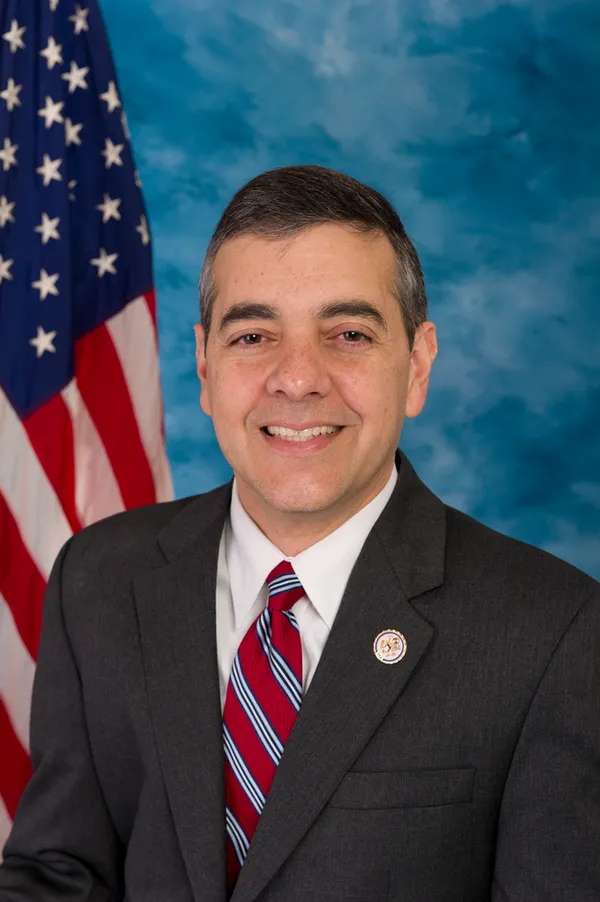
A federal criminal trial involving former U.S. Rep. David Rivera, a Miami Republican who served in Congress from 2011 to 2013, began Monday in Miami federal court. Rivera and a Miami political consultant, Esther Nuhfer, are facing charges centered on alleged lobbying and influence efforts connected to Venezuela during the Trump administration period.
The case stems from an indictment unsealed in 2022 that accuses Rivera and Nuhfer of acting as unregistered agents in connection with Venezuelan government interests and of using financial transactions designed to conceal the source and purpose of payments. Rivera has denied wrongdoing.
What prosecutors allege
Federal prosecutors contend that Rivera and Nuhfer carried out a foreign influence effort aimed at shifting U.S. policy toward Venezuela in 2017 and 2018, including efforts described as seeking to normalize bilateral relations. The allegations include an asserted $50 million consulting arrangement connected to Venezuela’s state oil enterprise network, and claims that the defendants used measures intended to obscure the nature of the work and the flow of funds.
Separately from the Miami case, Rivera has also faced a later federal indictment in Washington, D.C. connected to allegations involving unregistered lobbying and money laundering tied to a sanctioned Venezuelan businessman. That D.C. indictment covers a different time window—June 2019 through April 2020—and describes alleged efforts to influence U.S. officials on behalf of an individual under U.S. sanctions, alongside the alleged use of shell companies and layered payments.
How the defense frames the dispute
Rivera’s defense has argued that his firm, Interamerican Consulting, was retained by a U.S.-based subsidiary within Venezuela’s oil-company corporate structure rather than by the Venezuelan government itself, and that this distinction is central to the legal questions about whether registration requirements applied. The defense position also challenges the government’s characterization of the work as covert foreign-agent activity.
Key factual elements likely to be tested at trial
The scope and purpose of the consulting agreement signed in March 2017 and how it was implemented.
The alleged role of intermediaries and communications used to coordinate contacts with U.S. political and government figures.
The origin, routing, and documentation of payments connected to the contract, including questions of concealment and intent.
Whether the defendants’ activities constituted political influence on behalf of a foreign principal requiring registration under federal law.
The case is being tried in federal court in Miami, with jurors expected to weigh disputed questions about the nature of the consulting work, the intended beneficiaries, and whether legal disclosure requirements were triggered.
The outcome could hinge on how jurors interpret evidence about who controlled the work, what policy objectives were pursued, and whether the defendants knowingly took steps to avoid legally required disclosure while engaging U.S. officials.