Florida’s cold snap may stun iguanas but is unlikely to eliminate invasive pythons statewide
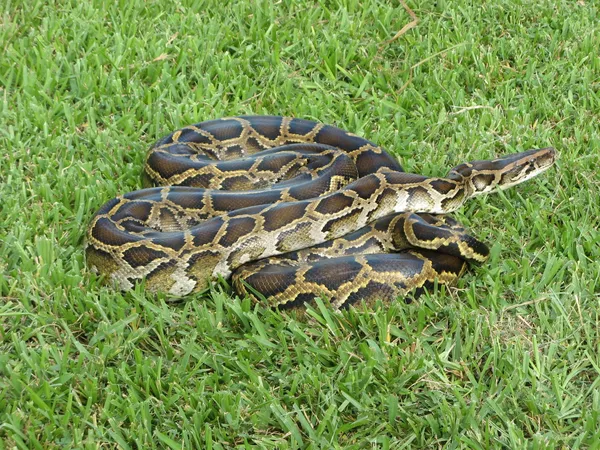
Cold weather can knock invasive reptiles down, but lasting population control is a different question
As South Florida entered another bout of unusually cold conditions in early February 2026, residents again reported a familiar winter oddity: green iguanas losing their grip and dropping from trees. The same cold snap has also renewed a recurring public question in Florida: can low temperatures meaningfully reduce invasive reptile populations—especially Burmese pythons and green iguanas—or is the effect temporary?
Both animals are ectotherms, meaning their internal body temperature and activity level track the environment. When air temperatures fall toward freezing, green iguanas can enter a cold-stunned state known as torpor, temporarily losing muscle control and becoming immobile. In that condition, they may appear dead but can recover once warmed, sometimes quickly enough to pose handling risks through sharp teeth, claws, and tail-whipping behavior.
Cold-stunned iguanas can revive as conditions warm, which is why officials routinely warn against bringing them indoors to “help.”
In response to the current cold spell, Florida wildlife authorities issued an executive order authorizing the public, under specified conditions, to collect live, cold-stunned green iguanas and transport them to designated drop-off sites for agency handling. The order reflects both the safety hazards posed by falling or recovering animals and an operational window in which immobilized iguanas are easier to capture.
What history shows about pythons and prolonged cold
Burmese pythons can be affected by cold as well, but the extent depends heavily on duration and the animals’ access to shelter. The best-documented example remains the prolonged cold spell from January 2 through January 11, 2010, when field research tracking radio-telemetered pythons in South Florida found high mortality among monitored animals during the event. That episode demonstrated that extended, multi-day cold—not just a single chilly night—can be lethal, particularly when temperatures remain low long enough to prevent effective thermoregulation.
However, even lethal cold events do not automatically translate into lasting eradication. Pythons can exploit refuges such as burrows and other sheltered microhabitats that buffer them from air temperature extremes. Recent scientific reporting has also highlighted growing concern that behavioral flexibility—and possibly biological adaptation—could help some pythons persist through periodic cold snaps, complicating expectations that winter weather alone can curb the invasion.
What cold snaps can and cannot do
Cold weather can temporarily immobilize green iguanas, increasing short-term capture opportunities.
Prolonged, extreme cold can cause mortality in both invasive and native wildlife, meaning broad “freeze-outs” can carry ecological costs.
For Burmese pythons, lethal outcomes are more strongly tied to multi-day exposure and limited access to shelter than to brief temperature dips.
Florida’s long-term approach continues to rely on targeted removal programs, including year-round opportunities on public lands and organized competitions designed to reduce python numbers in key habitats. Cold snaps may create short windows that aid removal, but the evidence indicates they are unlikely to serve as a standalone solution.