How Thelma Gibson’s life story reflects Coconut Grove’s Bahamian heritage and a century of change
A Black History Month lens on a neighborhood shaped by Bahamian settlement
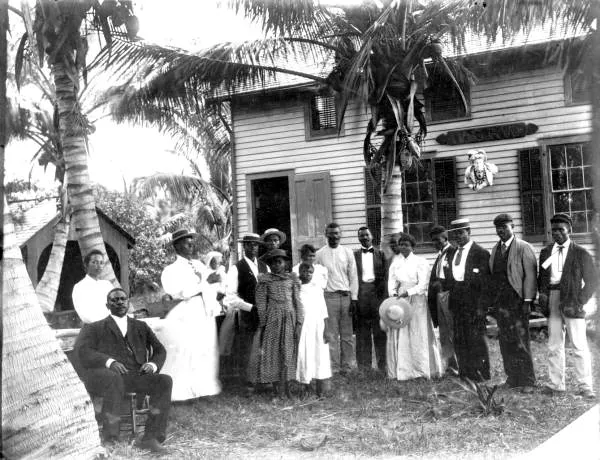
Coconut Grove’s history is inseparable from the Black Bahamian families who helped build one of Miami’s oldest neighborhoods. In the late 1800s, Bahamian workers settled near early bayfront businesses and established a distinct community in what is now West Coconut Grove. One of the best-known physical reminders of that legacy is Charles Avenue, a historic street built in the 1880s by Bahamian settlers and still lined with landmark homes and institutions.
This history is being revisited through the life of Thelma Vernell Anderson Gibson, a Coconut Grove native born on December 17, 1926, widely known in the community as the “Godmother of Coconut Grove.” Her personal timeline spans segregation-era Miami, World War II–era labor shifts, and decades of neighborhood change.
From Charles Avenue to nursing: a career shaped by barriers and persistence
Gibson grew up on Charles Avenue and left home at 17 to pursue nursing training. Her early career unfolded during a period when a national demand for nurses expanded opportunities for women, including women of color, while discriminatory hiring practices remained common in many workplaces.
Over time, she built a professional record that included senior responsibility in public health and a long career in nursing before retiring in 1980. Community accounts also document her education and professional advancement outside Florida during her career trajectory.
Civic leadership after retirement: building institutions meant to include, not separate
Retirement did not mark an end to Gibson’s public role. In 1984, she founded what became the Miami-Dade Women’s Chamber of Commerce, structured from its inception to bring together women across racial and ethnic lines. Her approach reflected a practical civic model: expanding economic networks and professional visibility while lowering barriers to participation.
Her family’s civic footprint is also tied to the legacy of her late husband, Theodore Gibson, remembered locally as a clergy leader and advocate for Coconut Grove’s Black community. Gibson later established a memorial fund in his name, extending that advocacy into an organized effort.
A legacy carried forward amid displacement pressures in West Coconut Grove
Organizations formed in Gibson’s orbit continue to operate in Miami-Dade, including the Thelma Gibson Health Initiative, founded in 2000 by community leaders Merline Barton and Cherry Smart. The group has been described as serving low-income and disenfranchised residents across the county, focusing on community wellness and support services.
Her story also intersects with a broader local reality: West Coconut Grove’s historically Black community has faced long-running pressures from rising property values and redevelopment. In that context, individual biographies like Gibson’s function as more than personal histories—they are reference points for a neighborhood’s Bahamian roots, its institutions, and the ongoing debate over what should be preserved as Miami changes.
- Born in Coconut Grove on December 17, 1926; raised on Charles Avenue
- Retired from nursing in 1980; continued civic work afterward
- Founded the Miami-Dade Women’s Chamber of Commerce in 1984
- Associated community work includes health and civic initiatives bearing her name
Coconut Grove’s Bahamian heritage is visible in places like Charles Avenue and in the civic institutions built by families who lived and worked there for generations.