Little Havana mobile home park eviction notices trigger relocation scramble as residents seek time, clarity and aid
Dozens of households face displacement in a neighborhood with scarce low-cost options
Residents of a Little Havana mobile home community are preparing to leave after receiving eviction-related notices that would force dozens of households to relocate. Families say the timeline and logistics of moving are colliding with a tight rental market and limited nearby alternatives, creating pressure on older residents and multigenerational households that have lived in the park for years.
Mobile home park displacement can differ from a typical rental eviction because many residents own their homes but rent the land beneath them. In those situations, moving is often expensive and sometimes impractical: older units may not be in a condition to transport, and securing a new lot in Miami-Dade County can be difficult given the long-term decline in the region’s mobile home inventory.
What Florida law requires in change-of-use situations
Florida’s mobile home park statute sets specific procedures for closures or “change of use” actions, including minimum notice requirements. The law also addresses relocation assistance in defined circumstances, with set amounts that vary by the size of the home. Separately, court-ordered evictions and removals follow formal judicial steps, with enforcement carried out after required postings and deadlines.
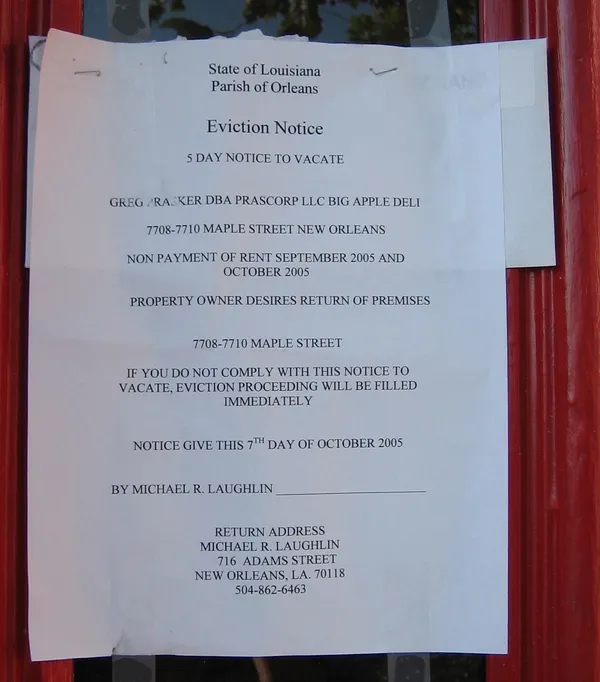
For residents, the distinction matters: a notice to vacate tied to redevelopment plans is not the same as a final writ following a court judgment. Housing advocates and local officials have warned in other Miami-Dade mobile home disputes that confusing or inaccurate notices can accelerate displacement by prompting residents to leave prematurely.
Why relocating a mobile home is not simply “moving”
Relocation typically involves multiple cost layers: permitting, transport, setup, utility connections, and potential repairs needed to make a unit roadworthy. Even when a home can be moved, residents must locate a receiving park with open lots and acceptable lease terms—often on short notice. When homes cannot be moved, owners may be forced to sell at a steep discount or abandon the structure, converting what was a stable housing arrangement into an abrupt financial loss.
Local policy questions and enforcement issues
Miami-Dade County has debated how to respond to a series of mobile home park closures and large-scale displacement events across the region. Public records reflect ongoing concerns about notice compliance, relocation resources, and the capacity of existing programs to provide legal support or eviction diversion services when residents are threatened with losing their homes.
What residents are doing now
- Requesting written documentation of the closure or eviction basis and the applicable deadlines
- Seeking legal review of notices and lease terms specific to mobile home lot tenancies
- Comparing relocation assistance offers against real moving and setup costs
- Searching for available lots in other parks while weighing whether their homes are movable
Residents say the central challenge is time: finding a lawful path to stay longer or relocate without losing their homes and savings.
With relocation options limited, the outcome for many households may hinge on whether statutory notice requirements were met, what relocation support is offered, and whether any negotiated extensions or court timelines provide additional months to secure stable housing.