Miami adds affordable apartments through incentive programs, yet rent levels remain high across many neighborhoods
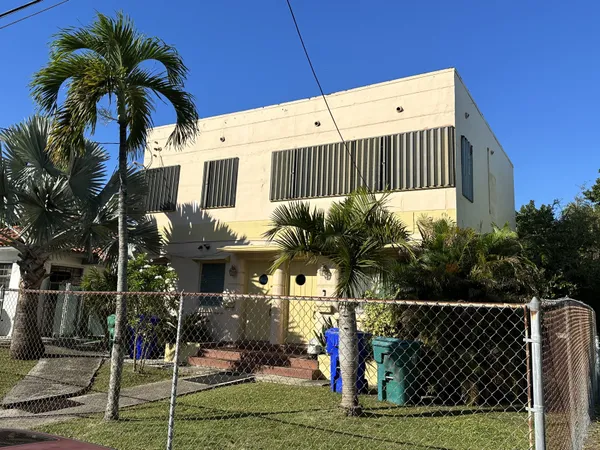
A growing supply of regulated units meets a stubborn affordability gap
Miami has expanded the number of apartments restricted for affordable or workforce households in recent years, largely through zoning and fee incentives designed to encourage developers to include income-limited units. Even so, rent remains elevated across much of the city, reflecting a market where new supply is arriving but typical price points still exceed what many local incomes can comfortably support.
Recent market snapshots show modest easing in some segments, but at levels that remain among the nation’s highest. In late 2025, the Miami metro’s median rent across property types was reported at about $3,000, with one-bedroom rents around $2,500 and two-bedrooms above $3,200. Premium submarkets have continued to post substantially higher typical rents, underscoring the uneven nature of rent relief across the city.
How Miami’s incentive model works
Miami’s incentive structure ties land-use benefits to long-term affordability requirements. Projects that qualify for an Affordable Housing Certification can access special zoning benefits under the city’s Miami 21 framework and related administrative processes. To participate, developers must accept recorded covenants that keep designated units income-restricted for at least 30 years from the issuance of a final (or temporary) certificate of occupancy.
- Affordable-housing and mixed-income pathways can unlock zoning-related benefits when a project commits to long-term restricted units.
- Workforce-focused pathways target households within specified shares of area median income (AMI), with eligibility and compliance verified through the certification process.
- Projects receiving city benefits are subject to notice requirements for unit availability and a resident-preference framework for qualifying applicants, within the boundaries of applicable law.
Income limits define “affordable,” but market rents drive household strain
The practical tension is straightforward: regulated rents are pegged to AMI-based formulas, while many market-rate rents are shaped by demand, location premiums, and operating costs. For City of Miami housing programs, 2025 income limits illustrate how affordability thresholds are set. For example, 80% AMI for a one-person household was listed at $69,400, and for a four-person household at $99,100. These benchmarks help determine eligibility, but they do not guarantee that a sufficient share of newly delivered units will land at rent levels that match the budgets of cost-burdened households.
In practice, a household can meet income eligibility for some programs while still facing limited choices at or below affordable rent levels in many neighborhoods.
Why rents can stay high even as supply grows
Miami’s expanding apartment pipeline has helped cool rent growth in parts of South Florida, yet several factors can keep overall rents elevated: high demand in transit-accessible and job-rich areas; sustained pricing power in luxury corridors; and the reality that many incentive-backed units target “workforce” bands rather than the lowest-income households, where the affordability gap is most severe.
The result is a mixed picture: more income-restricted apartments and clearer long-term compliance rules, alongside a market where typical rents remain high enough that affordability pressures continue for many Miami renters.