Miami Archdiocese urges TPS extension for Haitians as February 3, 2026 work authorization deadline nears
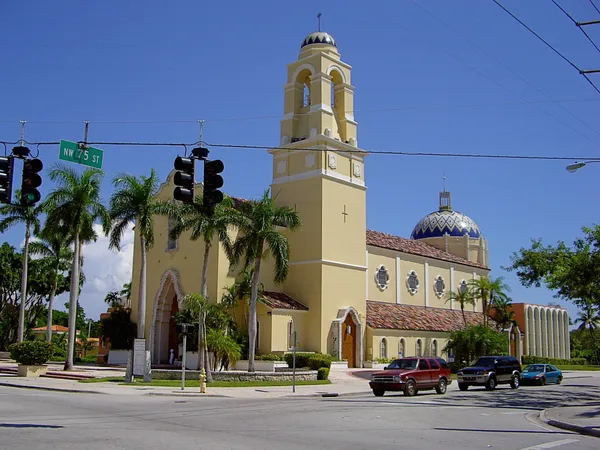
Conference spotlights approaching TPS deadline in South Florida
With Temporary Protected Status (TPS) for Haiti set to end on February 3, 2026, the Archdiocese of Miami convened a new public conference in Miami Shores to outline the potential local effects of losing work authorization and protection from removal for Haitian TPS beneficiaries.
The event brought together Archbishop Thomas Wenski, leaders from Catholic Legal Services and Catholic Health Services, and representatives of business and community groups. Speakers focused on the expected disruption to families, employers and essential services if eligible Haitian workers lose legal permission to work after the federal deadline.
What TPS is, and why the date matters
TPS is a federal immigration program that can provide temporary protection from deportation and eligibility for work authorization to nationals of countries experiencing extraordinary conditions, such as armed conflict or natural disasters. For Haiti, the current effective endpoint is February 3, 2026.
Federal actions over the past year set a complex timeline. A termination notice published in 2025 set an earlier end date, but a federal court ruling pushed the effective termination date no earlier than February 3, 2026, preserving benefits until that point. As of late January 2026, federal agencies continue to list February 3, 2026 as the controlling date for TPS-related benefits for Haiti.
Focus on healthcare staffing and continuity of care
At the Miami Shores conference, participants emphasized the role Haitian TPS holders play in South Florida’s workforce, particularly in healthcare, elder care and other essential services. Speakers argued that losing work authorization for experienced caregivers and healthcare workers could create immediate staffing gaps, with downstream effects on patient care and service continuity.
While the conference highlighted healthcare impacts, the broader economic exposure is not limited to one sector. Haitian TPS holders are employed across multiple industries in South Florida, and the expiration of their employment eligibility could affect employers’ ability to maintain stable staffing levels.
Key facts for Haitian TPS holders as the deadline approaches
- Current TPS-related protections and work authorization tied to Haiti’s designation are scheduled to end on February 3, 2026.
- Individuals who have TPS may still have separate immigration options depending on their circumstances, including family-based pathways, asylum-related filings, or other relief.
- Loss of TPS does not automatically determine an individual’s long-term eligibility to remain in the United States; outcomes depend on each person’s immigration history and any other pending or approved applications.
What leaders are asking federal officials to do
Conference participants urged federal officials to extend TPS for Haiti, arguing that Haiti’s conditions remain incompatible with large-scale returns and that a rapid loss of legal status would destabilize families and workplaces in South Florida.
Speakers emphasized that many TPS beneficiaries have lived and worked lawfully in the United States for years and have built family and employment ties that would be disrupted by the February 3 deadline.
Unless federal action changes the timeline, February 3, 2026 remains the key date shaping planning for Haitian families, employers and service providers across the Miami area.