Miami Beach Mayor Steven Meiner Defends Police Follow-Up After Critic’s Facebook Comment Sparks Free-Speech Dispute
Police visit to resident’s home triggers scrutiny of public-safety rationale and First Amendment boundaries
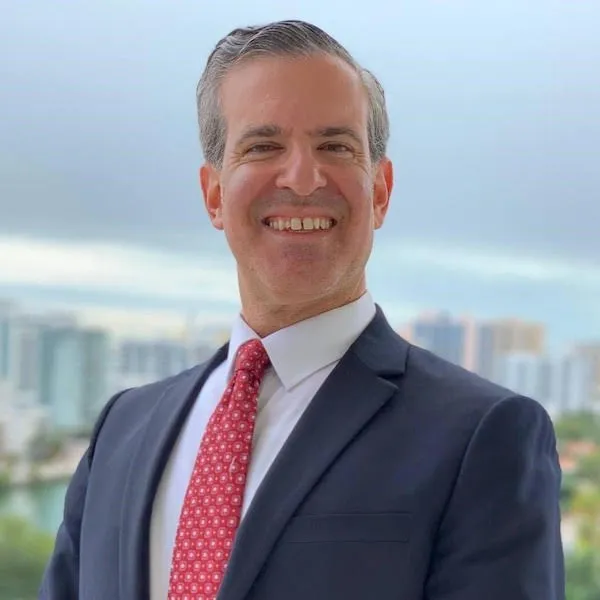
Miami Beach Mayor Steven Meiner has defended the involvement of city police after a resident’s Facebook comment criticizing him led detectives to her home in January, setting off a wider dispute over whether law enforcement was used appropriately in response to political speech.
The episode centers on Raquel Pacheco, a Miami Beach resident and political activist who has previously run for local office. After Meiner posted on his official Facebook account on Jan. 6, 2026, describing Miami Beach as a “safe haven” that would “stand firm against any discrimination,” Pacheco responded critically. A subsequent comment posted on Jan. 7 on a community Facebook page included allegations about Meiner’s views on Palestinians, as well as criticism tied to his past actions on local cultural issues.
Within days, Miami Beach detectives went to Pacheco’s home for what police described as a brief, voluntary encounter. Pacheco recorded part of the interaction and later made the footage public. In the recording, she asks whether she is being charged with a crime and says she will not answer questions without an attorney present. Officers are heard explaining that the department was attempting to prevent others from becoming “agitated” or “agreeing with the statement,” and they advised caution about posts that could “get something incited.” The conversation ended without an arrest or charges.
How the matter reached police leadership
Subsequently disclosed emails show that Meiner forwarded a screenshot of the Facebook comment to Police Chief Wayne Jones under a subject line referencing a “dangerous escalation.” In the email exchange, Jones expressed concern that the language could contribute to escalation and discussed steps focused on the mayor’s safety. The department later stated publicly that the mayor did not direct police action and that officers reviewed the post amid heightened concerns about threats to public officials and antisemitic attacks.
Meiner characterized the incident as a police matter and defended the department’s decision to follow up, saying people may disagree with his positions while also asserting that the online allegation was false and inflammatory. Police said the contact was intended to assess potential safety implications rather than to pursue a criminal investigation.
Competing claims: safety assessment vs. chilling effect
The case has drawn attention from civil-liberties advocates who argue that police visits tied to political criticism can chill protected speech even when framed as welfare checks or threat assessments. Pacheco has said she views the visit as intimidation and has pursued public-records requests seeking further documentation about the decision-making behind the encounter.
Key timeline: Jan. 6 (mayor’s post), Jan. 7 (comment at issue), mid-January (detectives’ home visit and public statements), late January (emails made public).
Outcome so far: no criminal charges announced; records requests and public debate continue.
The dispute now hinges on how cities balance legitimate security concerns for elected officials with constitutional protections for residents criticizing government leaders.