Miami Beach Reconsiders Some Spring Break Controls After Crackdowns, While Keeping Core Public-Safety Measures
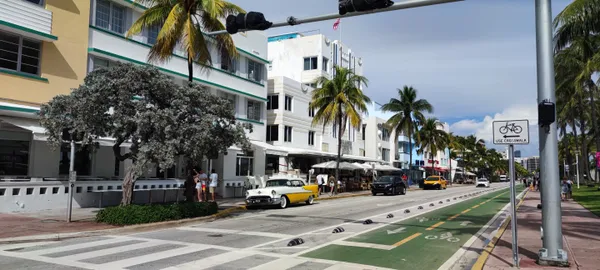
A policy shift after two seasons of intensified enforcement
Miami Beach is weighing whether to scale back select spring break-related restrictions after two consecutive years in which the city tightened rules and policing to curb crowd-driven disorder in South Beach. The discussion reflects a balancing act: maintaining public safety measures credited with reducing chaos, while reassessing which temporary limits remain necessary and how broadly they should apply.
In March 2024, the city escalated emergency actions during peak spring break periods, including an overnight curfew that began late March 15 and extended into the morning of March 18. That curfew was enacted under municipal authority allowing short-term emergency measures when officials determine conditions warrant extraordinary steps.
What Miami Beach’s spring break toolkit has included
Across spring break periods, Miami Beach has relied on a package of temporary measures focused on traffic control, access management, and targeted enforcement in the Entertainment District and adjacent neighborhoods. During designated high-impact weekends, the city has implemented restrictions that affect how visitors enter, park, and circulate in South Beach.
- Traffic plans limiting vehicle access to Ocean Drive during specified days, typically with controlled entry and a single exit route.
- Beach access checkpoints at limited Ocean Drive entry points, with earlier evening closures and bag checks aimed at keeping prohibited items off the sand.
- Rules and enforcement reminders that alcohol consumption and smoking are prohibited on Miami Beach’s public beaches.
- Higher-cost deterrents for nonresident drivers, including a nonresident towing rate set at $516 in South Beach during spring break enforcement periods.
- Time-limited measures involving DUI operations and technology-assisted policing, including license plate reader deployments on causeways during peak weekends.
Economic and community pressures behind possible changes
City leaders have argued that tighter controls were necessary after prior spring break seasons that produced high-profile disturbances and strained police and emergency services. At the same time, Miami Beach’s economy remains deeply tied to tourism, nightlife, hotels, and restaurants concentrated in the same areas most affected by enforcement zones and traffic limitations.
As the city considers easing some restrictions, the core question is scope: whether measures designed for the busiest weekends should be narrowed, shortened, or applied more surgically by location, while still preserving strategies officials view as essential for public safety and neighborhood protection.
Miami Beach’s recent spring break approach has centered on access control, higher-cost deterrents, and intensive policing during the highest-impact periods.
What stays constant even if some limits loosen
Even as Miami Beach discusses easing certain temporary controls, several fundamentals are unlikely to change because they are rooted in standing law or core safety priorities. Alcohol remains prohibited on city beaches, and enforcement against public drinking, drug possession, and dangerous driving has been a central operational focus during March.
Any policy adjustment is expected to be incremental rather than a return to the looser spring break posture of earlier years, with the city continuing to emphasize managed crowds, controlled access, and rapid response capacity during peak periods.