Miami Beach Weighs Lawsuit Against Florida After Bill Would Ease Approval for Fontainebleau Water Park
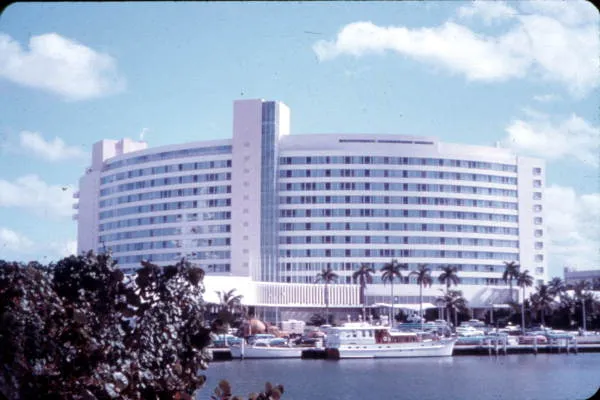
State land-use measure collides with Miami Beach’s historic-review process
Miami Beach officials are weighing potential legal action against the State of Florida as lawmakers advance legislation that city leaders say could weaken local oversight of major resort projects, including a proposed water park at the Fontainebleau Miami Beach.
The dispute centers on House Bill 399 and its Senate companion, Senate Bill 208, both titled “Land Use and Development Regulations.” During the 2026 legislative session, SB 208 was ultimately substituted in the Senate by HB 399, moving the House measure to the forefront. Legislative records show HB 399 was signed by legislative officers and presented to the governor on March 18, 2026.
What the proposed resort project includes
The Fontainebleau Miami Beach has sought city approvals to redevelop portions of its outdoor pool deck with a water-park component. Publicly released descriptions and renderings have outlined a set of waterslides and related amenities intended to broaden the resort’s appeal.
The proposal has been under review in Miami Beach’s historic-preservation process, where projects affecting designated historic resources can face heightened scrutiny regarding massing, visibility, and compatibility with the surrounding historic context.
What HB 399 would change for “large destination resorts”
HB 399 is a wide-ranging land-use bill. Among its provisions is a requirement that local governments administratively approve applications for minor special exceptions or variances submitted by “large destination resorts” if specified statutory conditions are met.
Miami Beach officials have argued that this approach could limit the discretion of local boards and commissions that typically evaluate resort-area changes case by case, including in historic districts. In public statements, city leaders have framed the issue as a broader question of state preemption of municipal land-use authority, rather than a dispute confined to a single property.
HB 399 addresses multiple topics beyond resorts, including certain fee limitations, development-approval standards, and comprehensive-plan voting thresholds.
Local concerns have focused on whether the bill’s resort-related provisions could narrow review pathways used in Miami Beach’s historic and zoning processes.
Local review status and public response
The Fontainebleau plan has drawn substantial public engagement. The Miami Beach Historic Preservation Board heard the proposal amid significant public comment, and the item was continued for further review. Preservation advocates have raised compatibility concerns tied to the Fontainebleau’s landmark status and the project’s potential visual impact along the oceanfront.
City leaders have described the bill as an attempt to shift decisions typically made by local land-use bodies to statewide rules, and have discussed litigation as a possible response.
What happens next
If HB 399 becomes law, Miami Beach’s legal options could include a court challenge seeking to clarify whether the state can require administrative approvals in circumstances where local processes currently call for discretionary review. Separately, the Fontainebleau project would continue moving through local boards and permitting steps that remain applicable under existing city rules.
The outcome will be shaped by two parallel tracks: the bill’s final status at the governor’s desk and the next scheduled stages of Miami Beach’s historic-preservation and land-use reviews for the Fontainebleau proposal.