Miami Beach’s scaled-back spring break draws thinner crowds as police maintain high-impact month enforcement
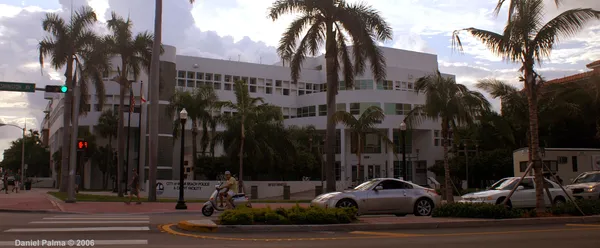
A quieter South Beach as March policing remains elevated
Miami Beach’s spring break season has unfolded with noticeably thinner crowds in South Beach compared with the peak years that prompted the city’s recent enforcement-heavy approach. City leaders entered March treating it as a “high-impact” month, pairing visible patrols with traffic and access controls designed to prevent the types of incidents that previously brought emergency curfews and large-scale crowd dispersals.
The reduced street density has been most apparent during the weekends historically associated with the largest influx of visitors. While restaurants and outdoor dining areas continued operating, the overall pedestrian volume on key corridors in the entertainment district has been more manageable, and the city has framed that outcome as consistent with its shift away from marketing Miami Beach as a party-centric spring break destination.
What the city has kept in place: checkpoints, controlled access and deterrence pricing
Public safety measures remain the backbone of the city’s March strategy. Miami Beach increased staffing and patrols for the month and continued using vehicle and alcohol enforcement tools, including DUI checkpoints and controlled access procedures in the South Beach core. Officials have also emphasized rapid response capacity and interagency coordination during nights expected to draw larger crowds.
Parking policy has remained a central crowd-management lever. Miami Beach has used a combination of higher visitor parking pricing and targeted restrictions to discourage heavy car traffic into the entertainment district during peak periods. Flat-rate pricing at certain municipal garages has been part of the deterrence framework in recent spring break plans, alongside other steps intended to reduce congestion and limit the buildup of large late-night crowds.
- March designated as a high-impact period with increased staffing and patrols
- DUI checkpoints and heightened traffic enforcement during peak nights
- Controlled access operations in the South Beach entertainment district
- Parking measures used to reduce vehicle volume and limit gridlock
A rebrand toward wellness as restrictions evolve
In parallel with enforcement, the city’s messaging has continued pivoting toward health, fitness and daytime activities. The marketing tone has moved away from prior “crackdown” communications and toward attracting visitors aligned with calmer, planned itineraries. At the same time, city discussions this year have included selectively rolling back some of the most disruptive controls used in earlier crackdowns, seeking to balance safety goals with the operational needs of local businesses.
Miami Beach has sought to reduce disorder without eliminating tourism, combining high-visibility policing with policies meant to prevent sudden crowd surges.
Regional spillover and the broader South Florida spring break map
Miami Beach’s posture has also shaped spring break patterns across the region. In past seasons, crowd pressure shifted to other nearby beach communities when Miami Beach tightened its rules. That redistribution remains a concern for agencies coordinating public safety across barrier-island destinations, particularly on warm weekends and during overlapping event weekends in greater Miami.
For Miami Beach, the defining metric of this spring break has been the relative absence of the overwhelming street density that previously strained police resources and disrupted residents’ daily routines. City officials have signaled that enforcement will remain strong through March, with adjustments focused on keeping traffic moving and preventing the return of the late-night crowd conditions that triggered emergency measures in earlier years.