Miami center plans daily neurostimulation sessions to ease opioid withdrawal symptoms ahead of March opening
A new outpatient option focused on withdrawal management
A recovery center scheduled to open in Miami on March 17, 2026, is preparing to offer an outpatient program that uses a wearable neurostimulation device intended to reduce acute opioid-withdrawal symptoms. The center is set to operate at 860 NW 42nd Avenue and plans to have patients return for once-daily monitoring visits over a period of up to seven days, reflecting a model designed around short-term stabilization during the most symptomatic phase of withdrawal.
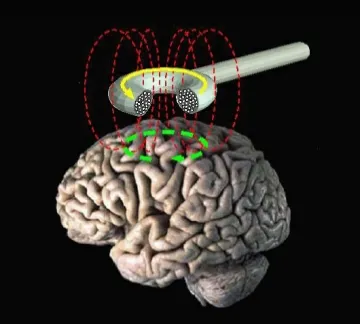
The device used by the program is described as noninvasive and designed to stimulate nerves through electrodes placed on the skin in and around the ear. The approach targets common withdrawal complaints that can include gastrointestinal distress, sweating, aches and difficulty eating—symptoms that often drive early dropout from treatment and contribute to rapid return to use.
What the technology is—and what it is not
Wearable auricular neurostimulation devices have received U.S. regulatory clearance for helping reduce symptoms of opioid withdrawal. These devices are distinct from medications used to treat opioid use disorder and are not a substitute for longer-term care. Their stated purpose is symptom mitigation during withdrawal, not long-term relapse prevention as a stand-alone intervention.
In Miami, the program’s operators have presented the device as a pain-free option that does not pierce the skin and does not rely on additional pharmaceuticals for symptom relief. The center has indicated the treatment is expected to cost about $8,000 and is not currently covered by insurance.
Detoxification addresses acute withdrawal but does not, by itself, constitute comprehensive treatment for opioid use disorder.
How this fits into evidence-based treatment
Clinicians and public-health authorities generally emphasize that withdrawal management alone is not recommended as the full response to opioid use disorder because relapse risk remains high after detox. Evidence-based care commonly includes FDA-approved medications—methadone, buprenorphine, or naltrexone—combined with ongoing clinical support. In that context, a withdrawal-symptom device may be positioned as an adjunct during treatment entry, potentially helping some patients tolerate the first days of stopping opioids.
Key details disclosed about the Miami rollout
Location: 860 NW 42nd Avenue, Miami.
Planned opening date: March 17, 2026.
Visit schedule: once daily for up to seven days.
Reported cost: approximately $8,000; insurance coverage not currently available.
What remains uncertain
Available clinical literature on electrical neurostimulation for addiction and withdrawal includes promising findings for short-term symptom reduction, while also noting limits in the evidence base and uncertainty about long-term outcomes. For patients, the most consequential questions typically center on what care follows withdrawal—how ongoing treatment is structured, how cravings and relapse risk are addressed, and whether the program connects participants to sustained medication treatment, counseling, and recovery supports once the acute withdrawal phase ends.