Miami charter reform campaign clears signature threshold for 2026 ballot on commission expansion and election changes
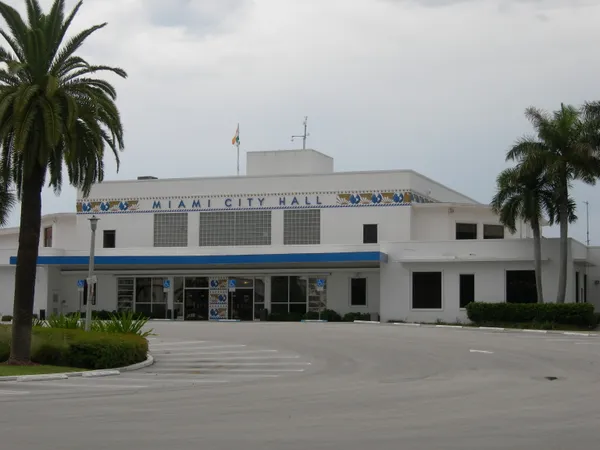
Petition drive hits verification stage after surpassing threshold
A citizen-led charter reform campaign has reached the signature threshold needed to advance a proposed amendment toward the 2026 City of Miami ballot, pushing a package that would expand the City Commission, change the municipal election calendar, and set new redistricting standards.
The campaign announced it has collected about 20,500 signatures from registered City of Miami voters. The next step is administrative: Miami-Dade elections officials must verify the signatures before the measure can proceed to the city’s ballot-placement process.
What the proposed charter amendment would change
The proposed amendment combines three structural changes to how the city is governed and how local representation is elected.
Commission size: The City Commission would expand from five members to nine, with each commissioner elected from a district.
Election timing: City general elections would move to November of even-numbered years, aligning with statewide and federal election cycles, with runoffs scheduled at least four weeks later.
Redistricting standards: New charter language would require districts to follow major geographic boundaries and keep neighborhoods whole, while prohibiting district maps drawn to favor or disfavor a political party.
The amendment’s design reflects a broader debate in Miami politics: whether governance reforms should prioritize smaller districts and more seats as a way to diversify representation, and whether moving city elections to higher-turnout cycles improves participation without diluting attention to local issues.
Why redistricting has become a central issue
Redistricting standards are not a theoretical issue in Miami. In recent years, the city faced federal court scrutiny over its district map, and subsequent city actions included steps aimed at tightening redistricting oversight and criteria. The new petition’s language seeks to embed standards directly into the charter, which is harder to change than ordinances and can constrain future commissions.
Context: recent charter changes and ongoing election-calendar disputes
The petition drive follows a period of rapid charter activity. In 2025, Miami voters considered multiple charter questions, including measures addressing term limits and charter review requirements. Separately, the city’s election calendar became the subject of legal and political conflict after a commission vote to postpone scheduled elections drew lawsuits and a court ruling that reinstated the original 2025 election schedule, prompting further litigation and appeals at the time.
What happens next
Signature verification is the immediate gatekeeper. If enough signatures are validated, city procedures would determine ballot placement and timing for voters to decide whether the charter should be amended. If approved at the polls, the changes would reshape district representation and lock in an even-year municipal election cycle, with redistricting rules written into the city’s foundational governing document.
Once signatures are verified, the measure can proceed through the formal steps required for placement before City of Miami voters in 2026.