Miami-Dade commission faces Feb. 18 veto override vote on wetlands construction outside the Urban Development Boundary
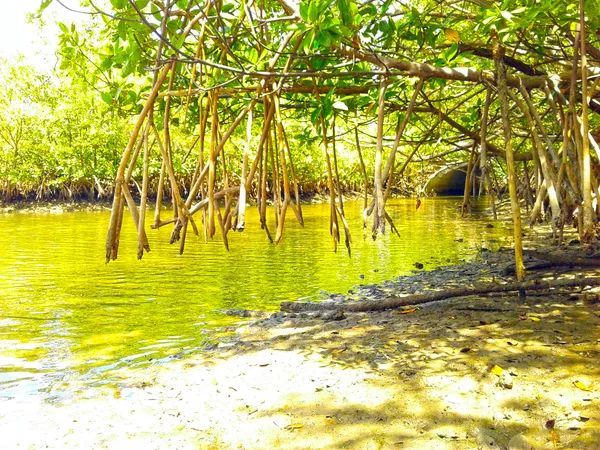
A veto sets up a high-stakes supermajority test at County Hall
Miami-Dade Mayor Daniella Levine Cava has vetoed a county decision that cleared the way for a major commercial project on wetlands west of Sweetwater, setting up a decisive override vote at the County Commission meeting scheduled for Feb. 18, 2026.
The underlying application would allow Kelly Tractor, a heavy equipment company headquartered in Doral, to pursue a new headquarters and expanded operations on roughly 246 acres near the western end of State Road 836 at Northwest 137th Avenue. The site sits at the edge of the county’s Urban Development Boundary (UDB), a growth-management line established in the 1980s to concentrate development and limit encroachment into agricultural lands, wetlands and areas tied to Everglades hydrology.
What commissioners approved, and why the mayor objected
On Jan. 22, the commission voted 9–2 to approve a change to the county’s growth plan that would create a new designation tailored to the property, enabling industrial-scale development on land that includes protected wetlands. Project descriptions presented during the review process contemplated large buildings and heavy-equipment operations associated with sales, storage and repair. The proposal also included features such as truck-related facilities and other infrastructure-support uses.
In her veto message, Levine Cava said the final proposal did not provide environmental protections she considers necessary for wetlands on the site, which county reviews have treated as high-value resources for flood protection and water filtration. Her administration also raised procedural concerns, arguing that the approach used to change the growth plan reduced specificity and commitments that typically accompany proposals to develop outside the UDB.
Wetlands, flooding and the development boundary at the center of the fight
The veto battle lands in a part of western Miami-Dade that is frequently cited in countywide discussions about stormwater, flood risk and groundwater recharge. Environmental advocates have argued that remaining wetlands in the corridor between established suburbs and conservation areas perform critical functions during heavy rain events and help protect drinking-water resources.
Project supporters, including commissioners who backed the January approval, have emphasized economic and operational arguments, including the role of heavy equipment in regional construction and infrastructure work. During earlier debate, the company argued the location made sense given proximity to existing transportation corridors and nearby commercial and industrial activity.
How the Feb. 18 vote could decide the outcome
Under county rules, overriding a mayoral veto requires a two-thirds vote of commissioners present. If all 13 commissioners participate on Feb. 18, nine votes would be needed to override.
- Commissioners previously approved the proposal 9–2 on Jan. 22.
- Two commissioners were absent for that vote, introducing uncertainty about the final headcount and the supermajority threshold.
- Because an override depends on attendance and vote changes, even a single shift can determine whether the project proceeds as approved or is sent back for reconsideration.
The Feb. 18 meeting is expected to determine whether the veto stands or whether commissioners restore the earlier approval, allowing the project to advance to subsequent permitting and site-planning steps.