Miami-Dade incinerator partnership proposals draw scrutiny over ratepayer costs, land terms, and long-term liabilities
Competing private-sector pitches return the incinerator debate to costs and real estate
Miami-Dade County’s effort to replace its waste-to-energy incinerator has moved into a new phase, with private consortia seeking to partner with the county amid growing questions from commissioners about customer costs, land arrangements and the division of long-term financial risk.
The county has been navigating replacement options since a February 2023 fire destroyed much of the Resources Recovery Facility (RRF) in Doral, a cornerstone of Miami-Dade’s solid-waste system. Since then, the central policy tension has remained consistent: how to build a modern facility without sharply increasing what residents and businesses pay, and without placing the plant in locations that trigger political or environmental opposition.
What companies are proposing, and why commissioners are pressing for details
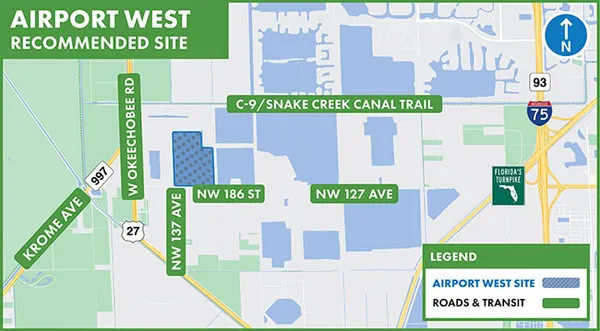
In late 2025, county commissioners heard presentations from two competing groups describing large-scale redevelopment plans anchored by a new waste-to-energy facility. One consortium is led by Florida Power & Light, which has described securing a site near U.S. 27 close to the Broward County line. A second proposal has been presented by FCC Environmental Services, a company with expanding U.S. waste-to-energy operations and recent contracts to operate facilities elsewhere in Florida.
Commissioners’ questions have focused on the downstream consequences for ratepayers and on whether the proposals provide sufficiently firm, comparable numbers. County staff have cautioned that both pitches have included preliminary cost ranges rather than final, negotiated totals—leaving uncertainty about construction costs, financing, operating expenses and the effect on collection and disposal rates.
Land deals and site selection remain intertwined
Parallel to the partnership debate is the county’s ongoing site-selection process. County materials have outlined multiple locations under consideration in different periods, including the existing Doral RRF campus and privately owned parcels near U.S. 27 and Okeechobee Road. One widely discussed concept has involved a land exchange in which a private entity would offer an approximately 65-acre parcel near U.S. 27 and, in return, receive a county-owned tract near Doral for redevelopment. That idea has drawn scrutiny over valuation, future land use and whether the county would be trading strategic public property while still assuming major construction and operating obligations.
Public land value and conditions: Commissioners have sought clarity on how any exchange would be valued, what conditions would apply, and whether there are impediments that could delay closing.
Permitting and environmental constraints: Potential sites near the county’s western edge have prompted questions about wetlands, aquifer protection and the proximity to the Everglades ecosystem.
Local opposition and distance buffers: City leaders and residents in multiple areas have repeatedly mobilized against proposed sites, pushing county officials toward stricter distance requirements from homes and schools.
What happens next
Commissioners have signaled they want side-by-side financial modeling, including near-term construction financing and multi-decade operating projections, before taking votes that could lock in both a site and a delivery model. Any final plan will also need to reconcile land control, permitting timelines and the county’s appetite for transferring risk to private partners versus keeping costs and governance fully public.
Key unresolved issues include: the total project price, the projected impact on customer rates, the selection of a final site, and the terms under which land would be acquired or exchanged.
With the county’s waste stream continuing to grow and existing infrastructure aging, the pressure to choose a path forward is rising—but commissioners’ pushback indicates that the next decision point will likely hinge on verified numbers and enforceable deal terms, not concept-level proposals.