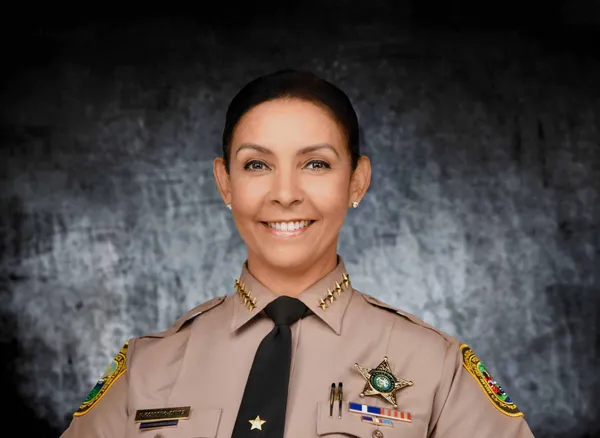
Miami-Dade Sheriff Rosie Cordero-Stutz marks one year in office, outlining priorities and budget pressures ahead
A historic shift in Miami-Dade law enforcement
Miami-Dade County’s return to an elected sheriff marked a structural change in local public safety governance after decades under an appointed police director model. Rosie Cordero-Stutz, a longtime county law enforcement veteran, took office on Jan. 7, 2025, as the county’s first elected sheriff since the 1960s. Her swearing-in coincided with the formal transition of the Miami-Dade Police Department into the Miami-Dade Sheriff’s Office, launching a multi-year rebranding and operational conversion affecting vehicles, insignia, and agency identity.
Early results and enforcement emphasis
In the initial phase of the new administration, the sheriff’s office publicly framed its approach around corruption enforcement, crime reduction, accountability, and training. During a spring 2025 update marking roughly the first 100 days in office, Cordero-Stutz highlighted arrests of county employees accused in extortion-related schemes and described cooperation with prosecutors as central to those cases.
The sheriff also reported a year-over-year decline in murders in unincorporated Miami-Dade during that early 2025 period, and pointed to improved homicide case-clearance figures. While these statements reflected a snapshot in time and were tied to a specific reporting window, they were presented as indicators the office intended to use to measure performance going forward.
Operational and staffing changes inside the agency
The first year also included internal management moves affecting the office’s civilian workforce. One directive announced early in the term ended remote work for many non-sworn employees, with leadership describing the change as necessary to assess staffing and operational needs. The move underscored the sheriff’s focus on standardizing practices as the agency shifted from a county department into an independently elected constitutional office.
Public safety initiatives signaled for the next phase
Plans discussed publicly during the first year included targeted enforcement campaigns and expanded protection strategies. Among the initiatives outlined:
- Countywide enforcement focused on illegal use of disability parking placards.
- Expanded deputy presence at houses of worship.
- Increased attention to cyber scams affecting residents.
- Continued emphasis on training from academy instruction through command-level development.
Budget negotiations and the cost of building a new office
Beyond policing strategy, the sheriff’s first year unfolded amid broader county budget constraints and negotiations over funding levels for the newly reestablished office. By mid-2025, the sheriff’s office sought substantial additional resources to address vacancies and staffing costs. Later that summer, county and sheriff’s office leaders announced an agreement providing tens of millions of dollars in additional funding, reflecting the financial complexities of reorganizing major public safety functions while the county managed a large projected deficit.
The first year established the sheriff’s office as a central player not only in law enforcement outcomes but also in countywide fiscal and administrative planning.
As Miami-Dade’s sheriff’s office continues its transition, the next stage is expected to test how operational goals, enforcement priorities, and budget realities align under an independently elected public safety structure.