Miami Gardens toddler hospitalized after canal near-drowning, listed stable as officials reiterate water-safety steps
Incident summary
A toddler was reported in stable condition after a near-drowning incident in Miami Gardens that prompted an emergency response to a residential canal area over the weekend. The child was transported for medical care as authorities worked to determine how the incident occurred and whether the toddler had been unsupervised near the water at the time.
Near-drowning calls typically trigger a multi-agency response in Miami-Dade County because minutes can determine outcomes. In this case, rescuers reached the scene, rendered aid and moved the child to hospital care, where the patient was later listed as stable.
What is known about canal rescues in Miami-Dade
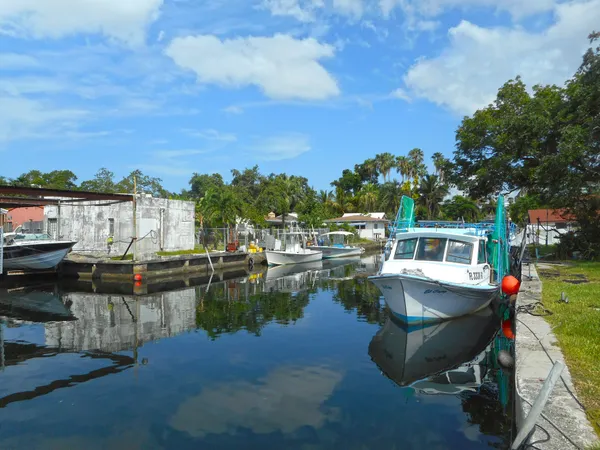
Miami-Dade’s canal network runs alongside many neighborhoods, often separated from homes, sidewalks and play areas only by fences, vegetation or narrow right-of-ways. For first responders, canal calls can require specialized equipment and personnel, including crews trained for water entry and rescue, depending on access points, water depth and conditions.
In earlier Miami Gardens canal incidents, residents have described toddlers wandering from outdoor gatherings before being found in the water—patterns that investigators often evaluate as they reconstruct timelines and supervision. Authorities generally assess the immediate environment, including nearby entry points, barriers and the length of time a child may have been missing.
Medical stakes after a near-drowning
Clinicians monitor near-drowning patients for respiratory complications that can develop after water is inhaled. Even when a child appears to recover initially, doctors may keep the patient under observation to manage oxygenation, lung inflammation and other complications linked to submersion injuries.
Emergency medicine guidance for pediatric submersion incidents emphasizes rapid rescue, immediate CPR when needed, and prompt medical evaluation because symptoms may evolve hours after the event.
Prevention: what safety guidance consistently emphasizes
Public-health guidance in Florida and nationwide is consistent on core prevention steps for children around water. Key measures focus on active supervision and layered barriers that reduce the chance a child reaches water unnoticed.
- Maintain constant, close supervision of toddlers near any body of water, including canals, retention ponds and pools.
- Use physical barriers where possible (fencing, self-latching gates, door alarms and pool alarms) to prevent unsupervised access.
- Learn CPR and ensure caregivers know how to respond while emergency help is en route.
- Consider age-appropriate swim instruction based on exposure risk and a child’s readiness, recognizing that lessons do not replace supervision.
Ongoing investigation
Authorities have not released full details about the toddler’s age, the precise circumstances leading to the canal entry, or whether any safety barriers were present. The investigation remains focused on establishing how the child ended up in the water and confirming the sequence of events from the moment the toddler was last seen to the rescue and transport to hospital care.