Miami International Airport becomes main U.S. entry point for Valentine’s Day flowers amid rising costs
A peak-season supply chain converges in South Florida
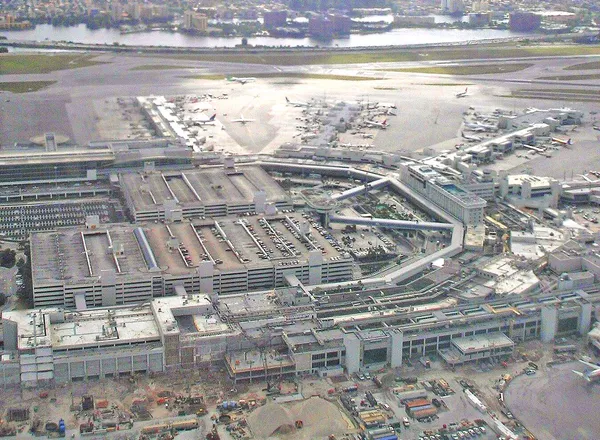
In the run-up to Valentine’s Day, Miami International Airport (MIA) is again serving as the central logistics hub for cut flowers entering the United States. Federal agricultural specialists stationed at the airport are expected to process about 990 million stems in the weeks before Feb. 14, a volume that underscores how heavily the national flower supply chain depends on South Florida’s cargo infrastructure.
By volume, the Miami gateway handles roughly 90% of the fresh-cut flowers sold in the U.S. for Valentine’s Day, with most of the remainder routed through Los Angeles. The seasonal spike is driven by concentrated consumer demand that requires fast, temperature-controlled transport and rapid distribution to retailers across the country and into Canada.
Where the flowers come from and how they move
The bulk of Valentine’s shipments arriving at MIA originate in Colombia and Ecuador, two of the world’s major exporters of cut flowers to North America. Cargo aircraft deliver mixed loads that typically include roses, carnations, pompons, hydrangeas, chrysanthemums and gypsophila. After landing, shipments move through cold-chain facilities for handling, inspection and clearance before being dispatched to wholesalers, florists and grocery supply networks.
One of the largest operators in the seasonal flower airlift is Avianca Cargo, which has reported transporting about 19,000 tons of flowers across roughly 320 flights during the Valentine’s period—more than double its usual flower-season capacity.
Inspection and biosecurity: the less-visible pressure point
High volumes do not eliminate risk. Each incoming shipment is subject to agriculture inspections designed to prevent pests and plant diseases from entering domestic supply chains. Inspectors at MIA report finding dozens of issues daily—often involving moths—with detections referred for further review to determine potential agricultural threat.
Inspections at major ports of entry are intended to keep invasive pests from spreading beyond cargo facilities and into U.S. growing regions.
Costs rise, volumes still grow
This year’s surge is unfolding amid higher costs across parts of the supply chain. Importers and industry representatives have pointed to newly imposed tariffs and labor-cost pressures in Colombia as factors likely to raise prices for some flowers, even as demand remains strong. At the airport level, the Valentine’s buildup is also reflected in cargo statistics: flowers remain among MIA’s largest import categories, totaling roughly 400,000 tons out of about 3.5 million tons of cargo handled in 2025.
More than a quarter of the airport’s annual flower volume arrives during the Valentine’s ramp-up, and officials anticipate a year-over-year increase for this seasonal window. The combination of rising costs, concentrated demand and stringent inspections highlights why MIA’s perishable cargo capacity has become a critical national chokepoint—one that must function smoothly for bouquets to reach store shelves before Feb. 14.
- Projected pre-Valentine’s processing: about 990 million stems
- Primary origins: Colombia and Ecuador
- Typical inspection focus: pests and plant disease risks
- Key operational requirement: cold-chain handling from aircraft to distribution