Miami International Airport warns Northeast winter storm could disrupt weekend flights, delays and cancellations possible
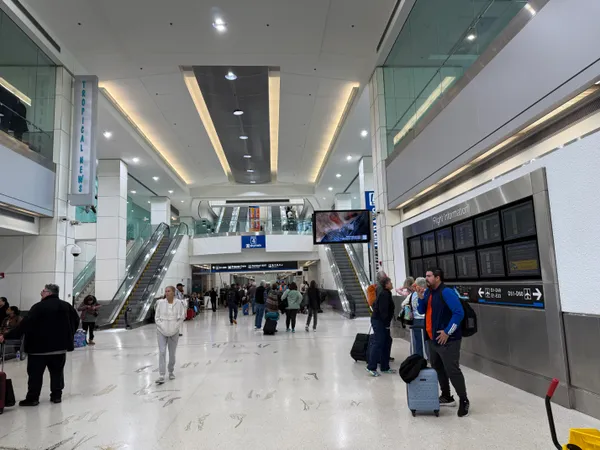
What travelers departing or arriving at MIA should expect
Miami International Airport (MIA) officials said flight schedules in South Florida could be affected this weekend as a powerful winter storm impacts the U.S. Northeast—an area that includes major hubs with heavy passenger volumes and dense air-traffic routes. Even when weather conditions in South Florida remain normal, disruptions in the Northeast can cascade through airline networks, affecting aircraft rotations, crew availability and connecting itineraries.
MIA said airport teams are monitoring weather conditions and coordinating with airline partners in an effort to limit disruptions. Travelers were advised to check flight status directly with their airline before heading to the airport, as operational changes can occur quickly when capacity in the Northeast is reduced.
How a Northeast storm can trigger disruptions in South Florida
Airlines run tightly scheduled networks that depend on aircraft and crews moving through multiple cities each day. When snow, high winds, reduced visibility, or deicing requirements slow operations at Northeast airports, the effects can spread nationwide. A delay in New York, Boston, Philadelphia, Newark, or Washington can ripple into later flights that use the same aircraft and crews—sometimes affecting flights to and from Florida hours later.
Federal air-traffic management can add constraints during winter weather, including ground delay programs, reroutes, and ground stops designed to maintain safety when airport arrival rates drop. Such measures can limit how many flights can depart for affected airports or enter congested airspace, potentially delaying departures from airports that are otherwise operating normally, including MIA.
Operational impacts: delays, cancellations, missed connections
For passengers, the most common storm-related impacts include:
Delays for departures from MIA bound for Northeast airports when arrival capacity is reduced.
Cancellations, particularly on routes where aircraft and crews are stranded by earlier disruptions.
Longer rebooking times if multiple Northeast airports experience reduced schedules at once.
Missed connections for itineraries routed through Northeast hubs, which can affect domestic and some international trips.
What MIA and airlines are doing
MIA said it is working with airline partners to manage the situation as conditions evolve. In major winter events, airlines often adjust schedules in advance, consolidate flights, or reposition aircraft to protect later-day operations. Recovery after the storm can also take time due to deicing backlogs, runway and ramp clearing, and crew duty-time limits.
Travelers are being urged to confirm flight status with their airline before arriving at the airport, as schedules may change with limited notice.
Practical steps for travelers
Verify flight status and rebooking options before leaving for MIA.
Allow extra time for itinerary changes, especially for connecting flights through the Northeast.
Keep contact details up to date with the airline to receive real-time alerts.
MIA officials said monitoring and coordination efforts will continue as the storm progresses and airline operations adjust to changing conditions in the Northeast.