Miami resident admits role in importing China-made synthetic cathinone, highlighting evolving online drug supply routes
Plea outlines cross-border pipeline tied to synthetic stimulants shipped into South Florida
A Miami man has pleaded guilty in federal court to drug-trafficking conspiracies tied to importing a synthetic cathinone from China for distribution in South Florida, federal prosecutors said in a case that underscores how modern drug supply chains increasingly rely on overseas sourcing, small-parcel shipping, and encrypted communications.
Terrell Jermaine Williams, 40, admitted guilt on two counts: conspiracy to import N-Isopropyl Butylone into the United States and conspiracy to possess with intent to distribute the same substance. Each count carries a maximum penalty of up to 20 years in federal prison. A sentencing date has not been announced in the public summary of the plea, and any final sentence will be determined by a U.S. district judge after considering federal sentencing guidelines and statutory factors.
What investigators say happened
Court filings describe a conspiracy that began around 2022 and continued through 2025. Investigators say Williams coordinated with a China-based distributor to obtain N-Isopropyl Butylone for resale in Miami, communicating through a mobile messaging platform. The communications cited in the case include discussions about pricing and the perceived risks of intensified scrutiny of packages during the U.S. election year.
The distributor allegedly sent photographs of controlled substances through the same messaging channel, a detail investigators treated as corroboration of the trafficking relationship and the nature of the products being shipped.
China seizure and subsequent controls
The investigation expanded overseas through information-sharing with Homeland Security Investigations personnel based in Guangzhou. Chinese authorities launched a parallel inquiry and, in September 2025, seized about 700 kilograms of N-Isopropyl Butylone believed to be intended for the U.S. market.
At the time of that seizure, the substance was not yet regulated in China, according to the case narrative. After the interdiction, Chinese authorities concluded the substance had no legitimate use and placed it under regulatory control, restricting its manufacture.
Why the substance matters
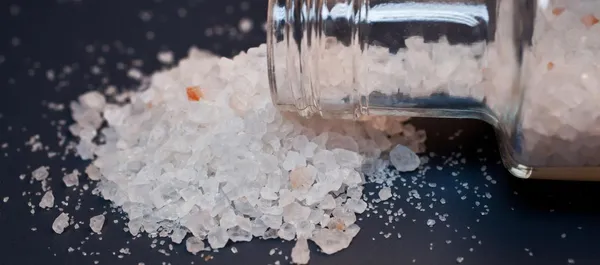
Synthetic cathinones are laboratory-made stimulants that have circulated in the U.S. for more than a decade and are sometimes marketed under street labels such as “bath salts” or “flakka.” Law enforcement agencies have repeatedly warned that their effects can be unpredictable due to variability in potency and composition.
Agencies involved
- Homeland Security Investigations units in Miami and Guangzhou
- U.S. Postal Inspection Service
- Homestead Police Department, with additional assistance from other South Florida agencies and federal partners
Sentencing will determine the punishment after consideration of the federal guidelines and other statutory factors.
The case is being prosecuted in the Southern District of Florida under federal conspiracy statutes governing importation and distribution of controlled substances.