Miami’s 2026 World Cup Fan Festival faces cuts as FEMA security grant funding remains delayed
Federal funding uncertainty tightens timelines for Miami’s largest public World Cup gathering
Planning for Miami’s official FIFA World Cup 2026 fan festival at Bayfront Park is under pressure as local organizers warn that delayed federal security funding could force scope reductions or cancellation of key public events. The festival is intended to provide a centralized, ticket-free gathering space with live match broadcasts, entertainment programming and visitor services during the tournament period.
Miami’s local host leadership has told federal lawmakers that a decision point is approaching because major event buildouts require weeks of lead time for contracting, security planning, staging and site logistics. The concern centers on federal resources expected to support safety and security operations tied to large crowds, including staffing and equipment needs that typically fall outside routine city budgets.
What is at stake: Bayfront Park programming and wider city planning
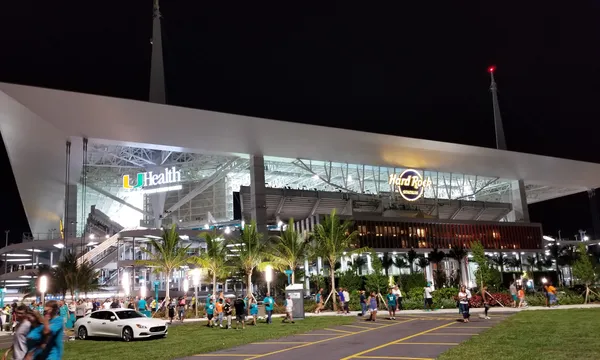
The Bayfront Park festival has been promoted as a multi-week public hub designed to accommodate fans who do not have tickets to matches at Hard Rock Stadium. While match operations at the stadium are proceeding under existing tournament plans, uncertainty around security-related reimbursements and grants is creating risk for complementary public activities—particularly large, centralized watch gatherings and the city’s preparations for spontaneous, decentralized watch parties expected across the region.
At the federal level, Congress approved $625 million for security-related support tied to the 2026 World Cup across 11 U.S. host markets, with the funding structured as a grant program administered through the Department of Homeland Security and the Federal Emergency Management Agency. Local officials have indicated that Miami’s application totals about $70 million. If disbursement timelines slip further, organizers say they may be compelled to revise plans to match resources that can be guaranteed locally.
Delays linked to federal processing and broader host-city pressure
Miami is not alone. Multiple host jurisdictions have raised similar concerns that delayed processing is compressing operational timelines for security planning, procurement and training. Lawmakers from several states have pressed for clarity on when funds will be released, emphasizing that security resourcing decisions become harder to adjust as the tournament nears.
Organizers have framed the immediate challenge as timing: major public events can be designed at different scales, but contracts and staffing commitments must be made far in advance to meet public-safety requirements.
Local funding context and why federal dollars matter
Miami-Dade County and municipal partners have already committed significant local funding and in-kind services tied to the World Cup, including public safety and transportation support. Those commitments do not automatically cover the added security layers associated with large, open-to-the-public fan zones and crowd-management needs that can extend across days and multiple venues.
In practical terms, federal funding is expected to reduce the need for local agencies to divert resources from regular operations, particularly for overtime-heavy public safety deployments. Without confirmed disbursement timelines, organizers face a narrowing set of options:
- Reduce the footprint, operating days, or programming scope of the Bayfront Park fan festival
- Shift to smaller, distributed watch events with lower security demands
- Delay contracting decisions—at the cost of higher prices and reduced vendor availability
For Miami, the next several weeks are expected to determine whether the fan festival proceeds as originally designed or is scaled back to align with confirmed funding and enforceable security plans.