Miami’s Cuban diaspora weighs protest, aid and U.S. policy as unrest and blackouts deepen in Cuba
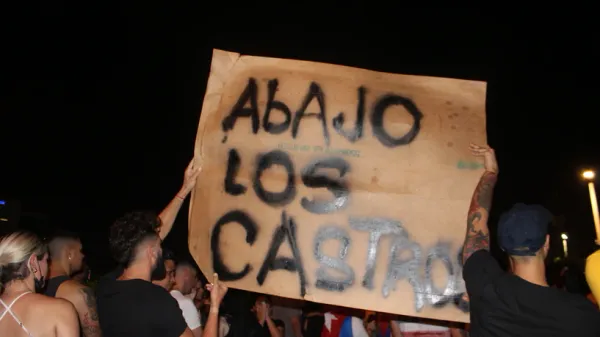
Unrest on the island reverberates in South Florida
Miami’s Cuban community is closely tracking a fast-moving crisis in Cuba marked by widespread power failures, localized unrest and mounting strain on essential services. In recent days, Cuba experienced an islandwide blackout as the national grid faltered amid acute fuel shortages and aging generation infrastructure, compounding long-running scarcities of food, medicine and transportation.
The latest flashpoint included a protest in the central city of Morón that led to arrests after a crowd targeted a local Communist Party headquarters. Cuban authorities linked the demonstration to energy and food pressures and opened an investigation. The episode unfolded as the Cuban government publicly acknowledged talks with the U.S. government while describing the country’s fuel situation as critical.
Mixed reactions in Little Havana and beyond
In Miami-Dade County—home to the largest concentration of Cuban-born residents in the United States—the reaction has been shaped by overlapping priorities: concern for relatives on the island, demands for political change, and debate over how U.S. policy should respond amid a humanitarian emergency.
Public gathering points in Little Havana, including the area around Calle Ocho, have again become hubs for discussion and demonstrations. Recent weeks have seen rallies and vigils tied both to island conditions and to high-profile incidents involving Cuba and the United States, including calls for accountability and information about detainees connected to a boat confrontation that left fatalities and arrests in Cuba.
What’s driving the current wave of instability
The immediate driver has been a deepening energy crisis. Cuban officials have attributed the fuel shortfall to external pressure that disrupts oil deliveries, while the day-to-day impact inside Cuba has been visible in prolonged outages affecting households, hospitals and public transport.
Government statements and reporting from the island indicate a system operating with limited reserves, using a patchwork of generation sources and emergency measures. The scale of blackouts has also increased the risk of spontaneous street protests, particularly in areas facing long electricity cuts and limited access to basic goods.
Key issues now shaping Miami’s response
Family communications and remittances: Many South Florida residents are focused on keeping contact with relatives and ensuring access to food and medicine during outages and supply disruptions.
Public demonstrations: Activists continue organizing rallies that frame the crisis as both a human rights issue and a political turning point.
Policy debate: The community remains divided over whether intensified U.S. pressure accelerates political change or worsens civilian hardship.
Miami’s Cuban community is responding to two realities at once: a deteriorating humanitarian situation on the island and heightened political stakes in U.S.-Cuba relations.
What comes next
Developments over the coming days are likely to hinge on whether fuel shipments resume in meaningful volume, whether power generation stabilizes, and whether protests expand beyond isolated incidents. In Miami, organizers are preparing for continued mobilization—both for political advocacy and for assistance efforts—while families remain focused on the immediate challenge of navigating prolonged blackouts and shortages affecting loved ones across the Florida Straits.