South Florida Airports Face Widespread Delays and Cancellations as Partial Government Shutdown Strains Aviation Staffing
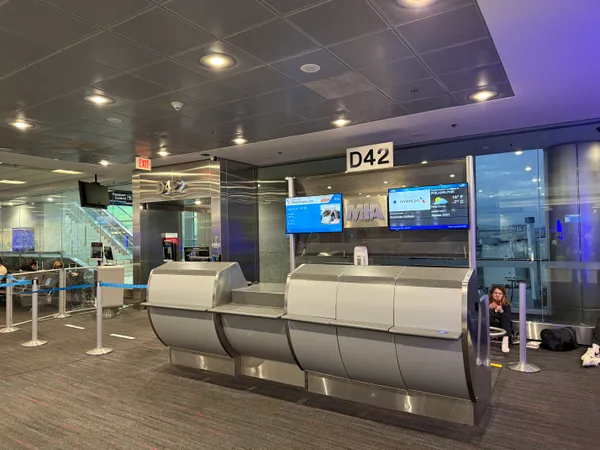
Operational disruptions ripple through South Florida’s largest airports
Air travelers moving through South Florida have faced significant disruptions as a partial federal government shutdown has strained key aviation functions, triggering flight delays, cancellations, and longer processing times at airports. The effects have been particularly visible at Fort Lauderdale-Hollywood International Airport (FLL) and Miami International Airport (MIA), two of the region’s busiest hubs for domestic and international travel.
The current disruption is tied to reduced staffing resilience across aviation systems that rely on federal personnel, including air traffic control operations and airport security screening. With parts of the federal workforce working without normal pay schedules, transportation officials and airline executives have warned of compounding operational risk during high-volume travel periods.
Fort Lauderdale-Hollywood reports large volumes of disrupted flights
At FLL, airline and airport operations reflected heavy disruption during the shutdown period, including hundreds of delayed flights and dozens of cancellations reported in a single day as carriers adjusted schedules and managed capacity constraints. Similar patterns have been observed across the national network, where disruption at major hubs can quickly cascade into missed connections, aircraft repositioning problems, and crew scheduling complications.
Why shutdown-driven staffing disruptions affect flights
Flight reliability depends on synchronized staffing across multiple federal functions. When staffing levels or availability drop at any link in the system—air traffic control facilities, security checkpoints, and certain Department of Homeland Security programs—airlines may need to reduce scheduled operations or absorb delays to maintain safe and orderly flows.
During previous shutdown-related disruptions, federal aviation authorities have issued targeted capacity reductions at high-volume airports to manage system stress and safety concerns. Those measures have historically resulted in airlines canceling flights preemptively and consolidating schedules, which can concentrate passenger loads into fewer departures and increase congestion during peak hours.
Travel programs and airport lines also affected
Beyond flight operations, shutdown impacts have extended to travel facilitation programs. The Department of Homeland Security has previously paused and restarted enrollment-related processing for trusted traveler programs during shutdown periods, contributing to longer lines and uncertainty for frequent flyers who rely on expedited screening pathways.
What passengers can expect and what protections apply
When flights are canceled, passengers are generally entitled to refunds if they do not accept an alternative itinerary. However, coverage for additional expenses such as meals and hotel stays varies by airline policy and by whether the cause of disruption is considered within the airline’s control.
Check flight status frequently, including day-of travel updates.
Allow extra time for airport processing during peak travel windows.
Review refund eligibility promptly if a cancellation occurs and rebooking options do not meet travel needs.
Shutdown-driven disruptions can escalate quickly when reduced staffing coincides with peak travel demand, making early flight checks and flexible plans essential for travelers moving through major hubs.
Officials and airlines have continued urging a funding resolution to stabilize staffing and restore predictable operations, while airports and carriers manage day-to-day disruptions that can shift rapidly as staffing and traffic volumes change.