South Florida lawmakers respond as Cuba confirms U.S. talks amid blackouts, fuel shortages and tightening pressure
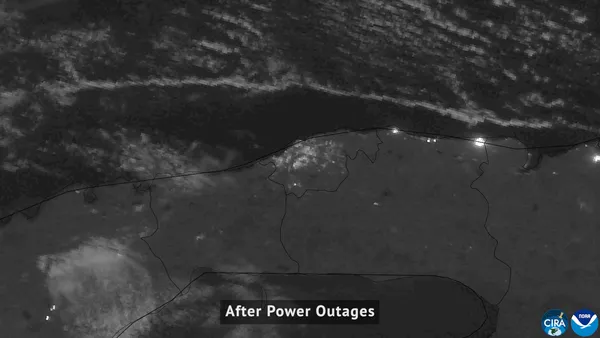
Cuba confirms talks with Washington as an energy emergency deepens
Cuba’s government has confirmed it has held talks with the United States, a public acknowledgment that follows weeks of mounting speculation about contacts between Havana and the Trump administration. The confirmation came as Cuba faces severe fuel shortages, prolonged power outages and growing strain on essential services, including hospitals.
The developments have prompted swift reactions in South Florida, where several members of Congress have long shaped U.S. policy debates on Cuba and represent districts with large Cuban-American communities.
Diaz-Balart rejects concessions and disputes reports of negotiations
Rep. Mario Díaz-Balart, a Republican whose district includes parts of Miami-Dade County, has framed the administration’s approach as pressure-first and has publicly opposed concessions that could extend the current leadership’s hold on power. In a televised interview on March 11, 2026, Díaz-Balart said the U.S. objective remains political change in Havana and described recent contacts as conversations rather than negotiations.
He also criticized discussions involving a humanitarian fuel channel, arguing that any fuel access risks benefiting Cuban state institutions. His remarks came as international agencies have warned that fuel scarcity is disrupting medical services and other critical infrastructure across the island.
Gimenez urges suspension of flights and remittances
Rep. Carlos A. Gimenez, another Republican from Miami-Dade, has called for additional restrictions aimed at cutting off revenue streams to the Cuban government. On January 29, 2026, Gimenez said he would ask the administration to suspend commercial flights to Cuba and halt remittances, presenting the measures as part of a broader escalation strategy.
In separate public communications, Gimenez cited national security concerns and argued that travel and money transfers can provide resources that ultimately benefit the Cuban state.
U.S. enforcement posture expands as policy tools shift
At the federal level, the approach toward Cuba has also featured stepped-up enforcement and legal scrutiny. In early March, federal officials in Miami signaled a push to build potential criminal cases involving individuals connected to Cuba’s government and Communist Party, reflecting a tougher posture as Washington increases pressure on Havana.
At the same time, U.S. policy has included targeted adjustments tied to humanitarian and private-sector activity. In late February, federal authorities announced a mechanism allowing licensed entities involved with Venezuelan oil to resell fuel to non-government entities in Cuba, an approach presented as prioritizing commercial and humanitarian uses while seeking to restrict benefits to state or military structures.
What lawmakers are watching next
- Whether a humanitarian fuel channel is authorized and how compliance would be monitored.
- Any changes to U.S. travel and remittance rules affecting South Florida families and businesses.
- Signs of political instability in Cuba as blackouts and shortages continue.
- Potential legal actions in U.S. courts connected to Cuban officials or affiliated networks.
The confirmed U.S.-Cuba contacts, combined with competing policy tracks—pressure measures, enforcement initiatives and limited humanitarian or private-sector carve-outs—have placed South Florida’s congressional delegation at the center of a fast-moving regional issue with direct local consequences.