Trump Tells Inter Miami Owners a Cuba Deal Could Be Near Amid Conflicting Signals From Havana
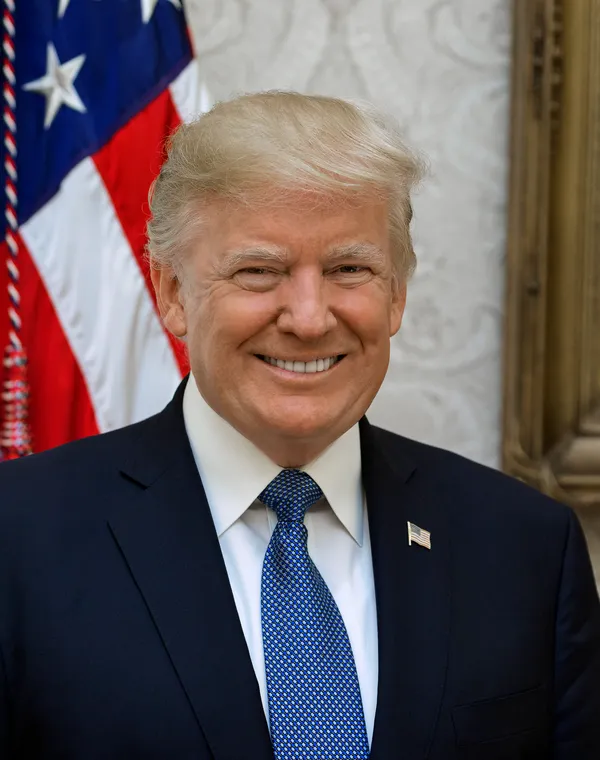
White House ceremony for Miami’s MLS champions turns into a foreign-policy moment
President Donald Trump used a White House event honoring Inter Miami’s 2025 Major League Soccer championship to suggest that a U.S. agreement with Cuba may be approaching, telling the club’s Cuban-American ownership group that developments could come soon. The comments were delivered in Washington on March 5, 2026, during a reception that also included star player Lionel Messi.
The president did not lay out the terms of any prospective arrangement, but he indicated that the administration’s attention could shift toward Cuba after addressing other priorities. His remarks added to a sequence of recent statements in which he has alternately described U.S. outreach to Havana and forecast rapid political change on the island.
Recent statements point to outreach, pressure, and vague end goals
In late January 2026, Trump publicly said the United States was “starting to talk” with Cuban leaders while describing steps intended to tighten economic pressure by targeting energy flows that Cuba depends on. In late February, he went further, saying Secretary of State Marco Rubio was engaged in “high-level” discussions with Cuban leaders and floating the possibility of a “friendly takeover” of Cuba—language that was not defined and was not accompanied by a policy framework or timeline.
The March 5 remarks at the Inter Miami event fit this pattern: broad claims about momentum toward a deal, paired with minimal details about the negotiating channel, the scope of any potential agreement, or the conditions Cuba would be expected to meet.
Havana publicly disputes that talks are underway
Cuban President Miguel Díaz-Canel has publicly rejected the assertion that negotiations are currently taking place. In a statement issued after Trump urged Cuba to “make a deal,” Díaz-Canel said his administration was not in talks with the U.S. government and argued that any progress in relations would need to be based on international law, sovereign equality, and mutual respect, rather than threats and economic coercion.
This contradiction leaves open key questions: whether contacts, if any, are occurring below the level of a formal negotiation; whether Cuba’s government is using public denials to manage internal or diplomatic sensitivities; or whether the U.S. is describing preliminary outreach as substantive talks.
What remains unknown—and what to watch next
The existence and format of any negotiating channel, including which Cuban officials—if any—are directly involved.
Whether the U.S. is seeking policy concessions, humanitarian measures, migration-related commitments, detainee releases, economic openings, or a broader political transition.
How any prospective agreement would intersect with the long-standing U.S. sanctions architecture and the legal steps required to change it.
Trump’s latest comments place Cuba back into a high-visibility U.S. political setting—this time alongside Miami’s most prominent sports brand—while the public record still shows a gap between Washington’s claims of progress and Havana’s denial of active talks.
For South Florida, where family ties to Cuba and U.S.-Cuba policy are a persistent civic and political reality, the next concrete indicator will be whether either government moves from broad rhetoric to verifiable actions: announced meetings, defined negotiating agendas, or measurable policy changes.