UBS ranks Miami as highest global housing bubble risk, citing price-to-rent levels beyond 2006 peak
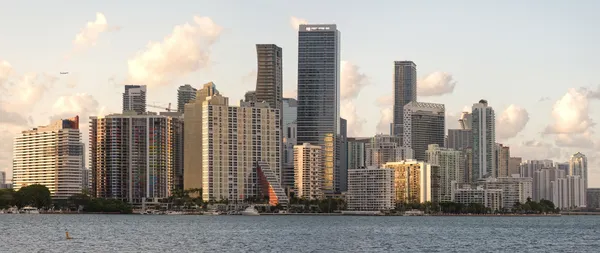
Miami again tops a global bubble-risk ranking
Miami ranks first worldwide for residential real estate “bubble risk” in the UBS Global Real Estate Bubble Index 2025, placing the South Florida market ahead of Tokyo and Zurich in the bank’s annual comparison of 21 major cities. The index evaluates whether owner-occupied housing markets have become misaligned with underlying fundamentals such as local incomes and rents, and it is designed as a risk gauge rather than a forecast of the timing of any downturn.
The metric UBS highlights: prices vs. rents
UBS points to an unusually wide gap between home prices and rents in Miami. In the 2025 report’s Miami city profile, UBS states that the current price-to-rent ratio has moved beyond the extremes seen during the 2006 U.S. housing bubble, an era often associated with the buildup to the national housing crash and the 2008 financial crisis. The report characterizes this divergence as a core signal of heightened bubble risk.
Affordability pressure and changing market conditions
UBS describes buyer affordability as near record lows in Miami and notes that price dynamics have not kept pace with the rental market. The report also describes housing inventory as having rebounded toward pre-pandemic levels, a shift that can affect bargaining power between buyers and sellers and influence price growth.
Separate market indicators over the past year have also suggested cooling in parts of the region’s housing market. Zillow data summarized in late 2025 indicated that a large share of homes in the Miami metro area posted year-over-year value declines. Realtor.com trend reporting in 2025 also showed elevated delistings in the Miami area, reflecting cases in which sellers removed properties from the market rather than accept lower offers or extended time to sell.
Condo regulation adds a distinct South Florida variable
Miami’s housing market is heavily influenced by condominiums, and statewide regulatory changes have added costs and uncertainty for some buildings. Florida’s post-Surfside condo safety reforms require milestone structural inspections for certain aging condominium and cooperative buildings and impose tighter requirements around structural integrity reserve studies intended to fund future repairs. These rules can translate into higher monthly fees or special assessments, particularly for older buildings, which may affect pricing and liquidity in parts of the condo segment.
What the UBS index does—and does not—claim
UBS’s bubble index is intended to capture vulnerability to a correction by tracking patterns commonly associated with overheated markets. UBS explicitly frames the measure as an assessment of risk, not a call on whether prices will fall imminently or how far. In Miami’s case, the ranking reflects the scale of past appreciation and the present mismatch between prices and rents—conditions that can heighten sensitivity to shifts in financing costs, local demand, or supply.
- Miami is ranked the highest bubble-risk city in the 2025 UBS index.
- UBS highlights the price-to-rent ratio as exceeding the 2006 bubble-era extremes.
- Inventory trends, affordability constraints, and condo safety compliance costs are key factors shaping market conditions.
The index functions as a stress indicator: when prices pull away from what local incomes and rents can support, the market becomes more exposed to shocks.