Ultra Music Festival returns to Bayfront Park with expanded security screening and upgraded safety reporting technology
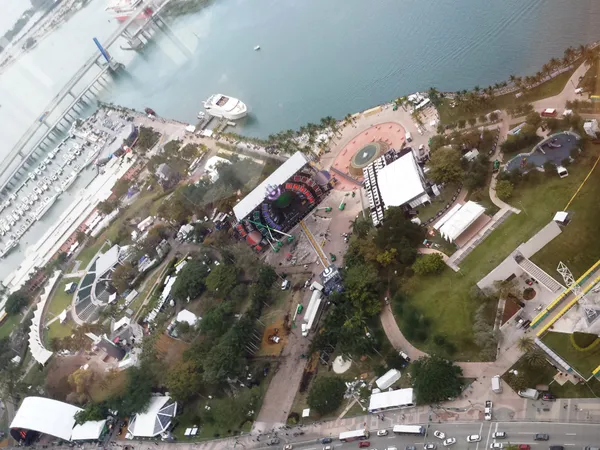
Major downtown event returns March 27–29 as agencies coordinate crowd management and entry controls
Ultra Music Festival is scheduled to take place at Bayfront Park in Downtown Miami from March 27 to March 29, 2026, bringing large nightly crowds and renewed attention to public safety operations in the city’s urban core. Event logistics typically extend beyond the fenced festival footprint, affecting traffic circulation, pedestrian flow, and security posture across surrounding streets and transit access points.
Public safety planning for the festival has historically relied on multi-agency coordination, including uniformed and undercover deployments, with an emphasis on managing peak arrival and exit periods. Recent festival weekends have also been associated with temporary traffic pattern changes and road closures designed to separate vehicles from high-volume pedestrian movements in the Biscayne Boulevard and Bayfront area.
Security model centers on layered screening, controlled bags, and restricted items
Ultra’s published entry rules outline a structured screening approach intended to limit prohibited items and streamline processing at gates. The event’s bag policy restricts attendees to clear bags made of clear plastic, vinyl, or PVC not exceeding 13 inches by 17 inches, a size limit presented as a measure to expedite entry and improve safety at checkpoints.
- Clear-bag limits intended to reduce search times and improve visibility of contents.
- Security policies reserve discretion for law enforcement and security officials to prohibit additional items as conditions require.
- On-site health and safety guidance emphasizes heat precautions and directs attendees to staff, security, and medical resources as needed.
Safety reporting technology remains a key feature of the event’s security posture
Ultra has continued to integrate mobile-based safety reporting as part of its operational planning. The festival has used a dedicated system that allows attendees to submit tips and communicate safety concerns in real time, designed to connect reports to event security and law enforcement response. The approach reflects a broader trend in large-scale event management toward faster incident intake, triage, and targeted dispatch during crowded, high-noise environments.
For large public gatherings, operational effectiveness often depends on how quickly credible information moves from the crowd to responders and how well that information can be verified and acted upon.
Community impacts remain part of the broader Bayfront Park debate
Ultra’s return also intersects with ongoing public discussion over how long major festivals should occupy Bayfront Park and what conditions should govern noise, traffic disruption, and park access. In March 2026, public reporting documented renewed scrutiny from residents focused on quality-of-life issues tied to recurring closures and congestion around the downtown waterfront.
For attendees and residents alike, the most visible changes during Ultra weekend are expected to come from tightened perimeter controls, expanded screening requirements, and increased use of technology to support real-time safety coordination across a dense and highly trafficked section of Miami.