Water shortage warning issued for Miami-Dade and Florida Keys as drought lowers aquifer levels
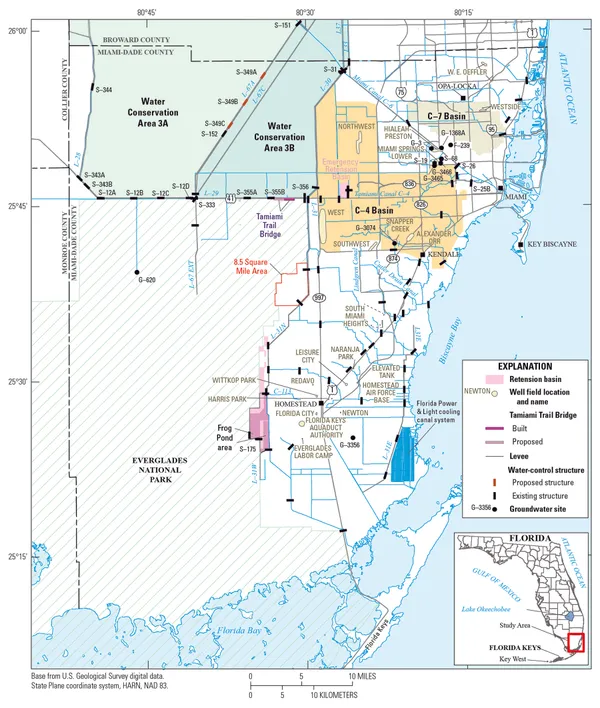
Warning covers Miami-Dade and Monroe as dry-season conditions strain South Florida water supplies
A regional water shortage warning was issued on February 6, 2026 for Miami-Dade County and Monroe County, which includes the Florida Keys, amid persistent dry-season conditions across South Florida. The warning is not a set of mandatory restrictions, but it signals increasing concern that continued high water use—particularly for outdoor irrigation—could reduce available supplies and heighten environmental risks before the start of the typical rainy season.
The warning is part of a broader regional action that also includes Collier, Lee, Glades and Highlands counties. Water managers stated that drought conditions combined with ongoing water use have contributed to declining groundwater levels in key aquifers that supply the region, and that additional declines are expected without significant rainfall through the remainder of the dry season, which typically lasts until May.
Why aquifer declines matter: saltwater intrusion risk
In Miami-Dade County, the warning highlights falling levels in the Biscayne Aquifer, the primary source of fresh groundwater for the area. Lower groundwater levels can increase the risk of saltwater intrusion, a process in which saltwater moves inland and upward into freshwater zones, potentially threatening water supply wells and requiring operational changes to protect drinking water sources.
In other parts of the region included in the warning, declining levels have also been observed in the Lower Tamiami Aquifer, and water managers reported falling surface-water levels in canals and lakes within the Indian Prairie Basin.
What changes now: voluntary conservation and tighter monitoring
While the warning does not impose new mandatory limits, it comes with an explicit call for voluntary conservation by residents, visitors and businesses. Water managers said they will continue tracking water use and water levels to evaluate whether voluntary measures are effective. If conditions worsen, mandatory restrictions could be implemented in critical areas to protect public water supplies and prevent serious harm to water resources.
- Limit landscape irrigation and follow the allowed days and times set by local year-round watering rules.
- Check irrigation timers and confirm rain sensors are functioning.
- Repair leaks, broken pipes and damaged sprinkler heads.
- Avoid washing sidewalks, driveways and other impervious areas with water.
Water managers warned that without conservation, supplies over the remainder of the dry season may be insufficient to meet anticipated needs while also protecting water resources from serious harm.
Regional context: drought indicators and the road ahead
Drought indicators have shown moderate to severe drought conditions across portions of South Florida included in the warning. In parallel, statewide drought impacts have already triggered mandatory watering limits in other Florida regions under separate water management districts, underscoring the wider pressure that dry conditions can place on water resources during winter and spring.
For Miami-Dade and the Keys, the key near-term variable remains rainfall. Water managers said the outlook will depend on whether precipitation returns at levels sufficient to stabilize groundwater and surface-water systems before the seasonal transition toward wetter conditions later in the spring.