Waymo’s Driverless Ride Service in Miami: Service Area, How to Book, and Practical Rider Limits
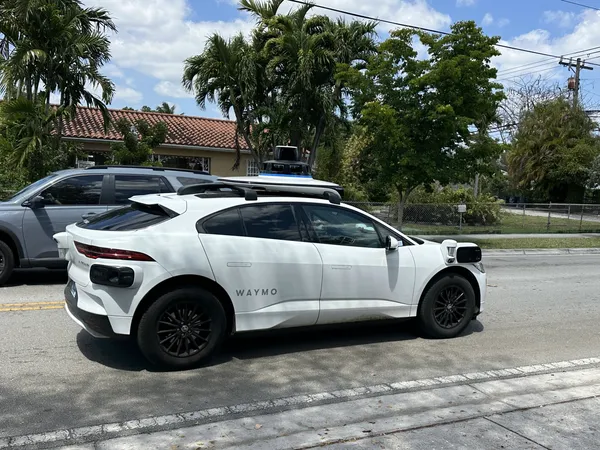
Waymo begins public driverless ride-hailing in Miami with a defined zone and app-based access
Waymo has opened a driverless ride-hailing service in Miami, adding South Florida to the growing list of U.S. metro areas where passengers can request fully autonomous trips. The rollout follows months of local testing and operational buildout and is designed to expand step-by-step rather than all at once.
The service is booked through the Waymo One app. Access has been introduced through staged onboarding, with availability depending on whether a rider is located inside the operating territory at the time of request. Vehicles operate without a human driver in the front seat, with remote support used when the system requires assistance.
Where the cars can take riders today
At launch, Waymo’s Miami coverage spans an approximately 60-square-mile service area. The current footprint includes core neighborhoods that concentrate employment, nightlife, retail, and residential density, such as the Design District, Wynwood, Brickell, and Coral Gables. The boundary is geofenced: pick-ups and drop-offs must be inside the active zone, and availability can vary by time of day and fleet supply.
Airport service remains a key question for many riders. Waymo has signaled an intention to expand to Miami International Airport, but a specific opening date has not been publicly established. Until airport trips are enabled, riders should expect limitations for routes that would normally begin or end at major terminals or require travel beyond the geofence.
How to request a ride, and what riders should expect
Download and set up the Waymo One app: riders request trips directly through Waymo’s platform in Miami.
Confirm location eligibility: the app only offers rides when the pick-up point is within the active service area.
Plan around early-stage constraints: wait times and vehicle availability can fluctuate as the fleet scales.
In practice, early rollouts typically prioritize operational consistency inside a smaller zone before expanding to additional neighborhoods and high-complexity destinations.
Pricing, operations, and the business buildout behind the scenes
Pricing can differ from conventional ride-hailing and may be higher on certain trips, depending on distance, demand, and service availability. Miami’s launch also comes with a notable operational structure: Waymo has partnered with a third-party fleet operator to support functions such as fleet operations and charging infrastructure locally, while Waymo continues to run the rider-facing service and autonomous driving system.
For riders, the immediate takeaway is straightforward: Waymo is now a bookable option in Miami within a defined coverage area, but it is not yet a citywide substitute for every trip—especially those involving the airport or destinations beyond the initial geofence.