Winter Storm Fern Disrupts South Florida Air Travel as Nationwide Cancellations and Delays Cascade Into Miami
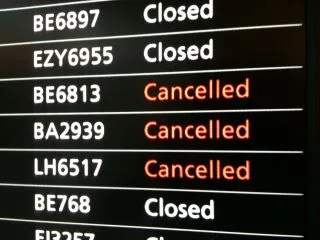
Airports in Miami-Dade and Broward absorb ripple effects from a sprawling U.S. winter system
South Florida remained largely outside the direct path of Winter Storm Fern, but the region’s two largest airports faced significant disruption as airline networks absorbed weather-related shutdowns across the country. Travelers at Miami International Airport (MIA) and Fort Lauderdale–Hollywood International Airport (FLL) encountered crowded terminals, long lines at customer-service counters and gate-area congestion tied to delayed arrivals and canceled departures.
By Sunday, Jan. 25, 2026, MIA reported 256 canceled flights and 155 delayed flights. At FLL, 307 flights were canceled and 96 were delayed. The numbers reflected an accelerating cascade effect: aircraft and crews stranded at impacted hubs, inbound flights unable to depart from snow- and ice-affected regions, and rotating schedule changes as carriers repositioned planes.
Network disruption: why Florida airports can seize up even in clear weather
Modern U.S. airline operations rely on tightly connected hub-and-spoke systems. When major airports in the central and eastern United States slow down or halt operations due to snow, ice, or high winds, the impact frequently spreads to out-of-region airports through missed connections, displaced aircraft, and out-of-position flight crews. The Federal Aviation Administration has reported that the national system handles more than 44,000 flights on an average day, a volume that amplifies knock-on delays when multiple hubs are disrupted simultaneously.
Across the United States, the storm drove a wave of cancellations and delays that reached rare levels for a winter-weather event, with tens of thousands of disruptions reported over the weekend. Airlines issued travel waivers in multiple markets, allowing passengers to rebook without change fees under specific conditions.
What passengers can expect during large-scale storm events
- Same-day cancellations that can occur before travelers arrive at the airport, as carriers preemptively reduce schedules at affected hubs.
- Extended waits for rebooking when multiple flights to the same region are canceled in sequence.
- Limited seat availability for two to three days after peak disruption, particularly on high-demand routes to the Northeast and Mid-Atlantic.
- Baggage delays when connecting flights are canceled and luggage cannot be transferred as planned.
In major winter disruptions, South Florida airports often function as “receivers” of nationwide delays: the weather is flyable locally, but the aircraft and crews needed to operate schedules may not be.
Storm naming and public messaging
The “Fern” label is used in media coverage for this winter system; winter storms in the United States are not officially named by the National Weather Service. Regardless of naming conventions, the operational impact is driven by warnings, runway conditions, de-icing requirements, and air-traffic management initiatives that reduce arrival and departure rates.
Travelers were advised to confirm flight status before leaving for the airport and to monitor rebooking options closely as schedules continued to adjust into Monday.