Winter Storm Gianna triggers widespread flight disruptions at Miami, Fort Lauderdale and Palm Beach airports
Delays and cancellations ripple into South Florida as a national weather system strains U.S. air travel
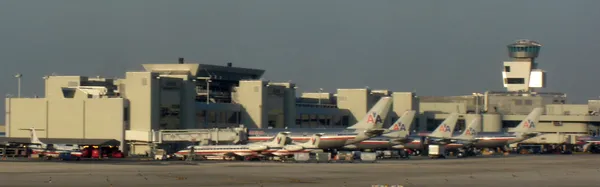
South Florida’s three major commercial airports—Miami International (MIA), Fort Lauderdale-Hollywood International (FLL) and Palm Beach International (PBI)—logged extensive delays and dozens of cancellations over the weekend as Winter Storm Gianna disrupted flight networks across the United States.
By Saturday afternoon, MIA recorded hundreds of delayed flights and roughly five dozen cancellations, while FLL reported more than a hundred delays and several dozen cancellations. PBI also reported significant disruptions, including more than 100 delays and multiple cancellations. The operational impacts in South Florida came despite the region being outside the storm’s heaviest snow zone, reflecting the interconnected nature of airline schedules, aircraft positioning and crew availability.
Why South Florida was affected even without major local snowfall
Airlines rely on tightly sequenced rotations of aircraft and crews. When a major winter system disrupts high-traffic hubs and corridor airports elsewhere—particularly along the East Coast and in the Southeast—knock-on delays can cascade into Florida. That chain reaction affects inbound aircraft, connecting passengers and available crews, even at airports experiencing clear skies.
Across the country, flight cancellations surged into the thousands over Saturday and Sunday, concentrating at several large airports as winter weather and de-icing requirements reduced operational capacity. Airlines issued travel waivers in multiple markets, enabling passengers to change itineraries without standard fees, a common tool during major weather events.
Cold warnings add friction for travelers and workers
South Florida also faced unusually cold conditions during the same period, with wind advisories and cold-weather advisories issued locally. Airports advised travelers to verify flight status before leaving for terminals and to allow extra travel time, particularly during peak departure windows. While cold temperatures alone do not automatically halt operations in South Florida, they can compound stress on systems already disrupted by nationwide delays.
What passengers should do when widespread disruptions continue
Confirm flight status directly with the airline before heading to the airport and again before leaving home.
Review rebooking options in the airline’s app, where same-day changes and standby options may appear faster than phone support.
Consider earlier departures or alternative airports in the region when seats are limited after large cancellation waves.
Keep essential items in carry-on bags, including medications, chargers and a change of clothes, in case of missed connections.
Major winter storms can disrupt airline networks far beyond the snow footprint, as delayed aircraft and crews propagate delays into airports that are otherwise operating normally.
With cold conditions persisting into early February and recovery from a large cancellation event typically requiring multiple days, passengers traveling through South Florida were urged to plan for continued variability in departure times and seat availability.